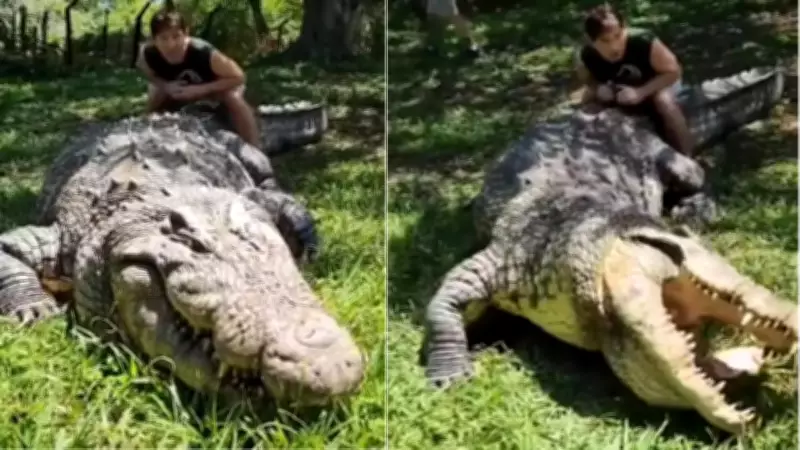
As one of the oldest living reptiles, Henry is an incredible representation of what it means to be old. He is a 124-year-old Nile crocodile. Not only has he been alive for a century, but he has also grown larger over time, as large reptiles can grow throughout their lives. His massive size, long existence, and indefinite survival have made Henry a popular and well-known reptile. Scientists have studied him, conservation organizations have worked with him, and he has welcomed many visitors at his facility.
How Henry, the World's Oldest Crocodile, Got His Name and Early History
It is believed that Henry was born around 1900 in the Okavango Delta in Botswana, although his exact birthdate is unknown. Henry's name was derived from Sir Henry Neumann, a hunter originally sent to either catch or kill Henry because he became notorious among locals due to threats posed in the early 1900s. However, Neumann chose to save rather than kill the animal. This origin story is a key part of Henry's identity, turning him from a feared wild predator into one of the most famous crocodiles in history.
Where Henry Lives Today and How He Survived So Long
Currently, Henry lives at the Crocworld Conservation Centre in South Africa, having been kept there since 1985. Living in a protected environment may be one reason that has helped him live so long. Wild crocodiles are exposed to dangers like starvation, diseases, and humans. In contrast, Henry receives regular attention and food in his new habitat. His age may also be explained by a biological factor: crocodiles are cold-blooded creatures and consume less energy than mammals do.

Henry Crocodile Size, Age, and Record-Breaking Facts
Henry has a body length of around five meters (16 feet) and weighs about 700 kilograms, placing him among the biggest captive crocodiles. One of the most amazing things about Henry is his reproductive history. He has been responsible for the birth of over 10,000 babies since he was brought to Crocworld, playing an important role in crocodile conservation. Henry lives alongside several female crocodiles, which explains his unusually high number of offspring.
Why Henry, the Oldest Crocodile, Still Matters Today
Henry's life story tells much more than just his own tale; it provides information about reptile aging and survival. His continuous growth, longevity, and reproduction make him important for scientific study. Additionally, Henry represents how conservation areas enable animals to have healthy lives. From a deadly predator in Botswana to the largest living crocodile in South Africa, Henry's life reflects what can happen to an animal during its lifetime. Although he has existed on Earth for over a century, Henry still stands out among other members of the animal kingdom due to his size and life expectancy.