The Outsider-Insider: 5 Must-Read Books by Mark Tully, the Chronicler of India
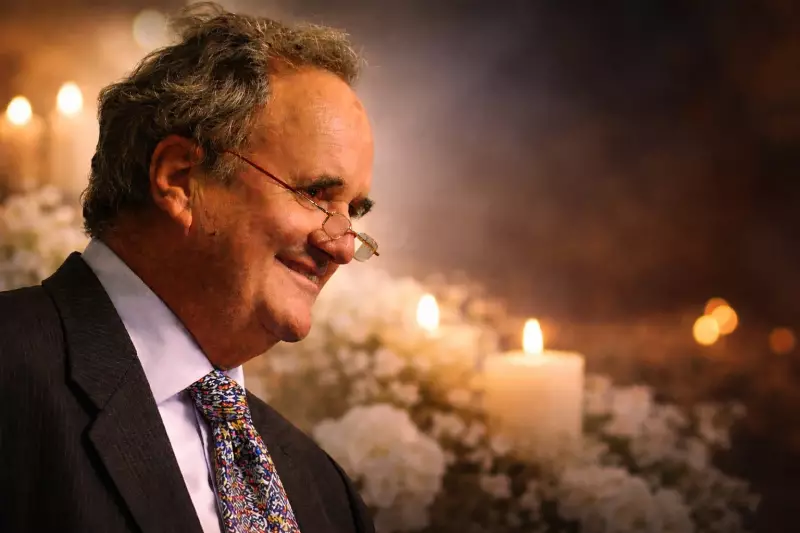
A consummate interpreter of India rather than a mere chronicler, Sir Mark Tully combined meticulous reportage with profound empathy to reveal the country's intricate complexities beyond simplistic clichés. His passing at the age of 90 has silenced a voice that for decades provided the Anglophone world with its most nuanced, authoritative, and affectionate dispatches from the Indian subcontinent.
More than just a correspondent, Tully was a masterful interpreter, his prose imbued with the patience and depth of a seasoned raconteur. To read his works is to understand the India that exists far beyond the fleeting headlines, delving into the heart of its social, political, and cultural fabric.
No Full Stops in India
Published in 1991, this seminal collection of ten rich essays serves as a form of literary time travel. Tully explores a nation confidently resistant to Western linear narratives, blending personal immersion with sharp journalistic insight. His genius lies in experiences like attending his cook's daughter's village wedding or spending days on the set of the Ramayan TV serial, juxtaposed with reportage on events such as Operation Black Thunder.

He finds compelling logic in seeming contradictions, from the fervent spirituality of the Kumbh Mela to the entrenched realities of the caste system, offering readers a multidimensional portrait of India's enduring spirit.
India in Slow Motion (with Gillian Wright)
This critical study identifies India's primary obstacle as a governance structure still echoing its colonial past. Tully and Wright argue persuasively that an unaccountable bureaucracy and political self-interest create a system that actively hinders development, from agricultural distress to persistent corruption.
The narrative is grounded in detailed fieldwork, illustrating how procedural absurdities and archaic laws suffocate initiative and perpetuate inequality. However, it avoids outright pessimism by pointing to emerging forces like digital transparency and localised reforms as potential catalysts for meaningful change.
The Heart of India
Moving from traditional reportage to the evocative rhythms of literary nonfiction, Tully offers an intimate portrait of Uttar Pradesh through a series of interlinked stories. Here, the grand narratives of politics and economic development recede, revealing the delicate, often unforgiving social fabric of small-town and rural India.
With a novelist's keen eye, he follows tales of miraculous conception, caste-bound ambition, familial revenge, and thwarted romance. These meticulously observed vignettes transcend mere anecdote, becoming powerful parables that probe the enduring tensions between tradition and desire, honour and survival.
India: The Road Ahead
Published two decades after India's economic liberalisation, this sequel to No Full Stops in India conducts a crucial mid-term audit of the nation's progress. Tully interrogates the sustainability of India's celebrated growth story, asking pointedly who it has left behind.
Through conversations with figures ranging from industrialists to farmers, he explores the stark tensions between a booming private sector and the nation's creaking infrastructure, corrupt governance, and unreformed agriculture. The book captures India at a critical crossroads, grappling with whether its democracy can withstand the pressures of rampant inequality.
India's Unending Journey
In his most philosophical and personal work, Tully distills a lifetime of observation into a profound meditation on wisdom. Contrasting the Western pursuit of definitive answers with India's comfort with paradox, he advocates for a mindset that values the search over the conclusion.
Through reflective anecdotes—from spiritual sites to bustling tech hubs—he explores how Indian thought embraces uncertainty, reconciles opposites, and finds harmony in apparent discord. More memoir than reportage, this book serves as a graceful coda to his remarkable career, offering profound lessons on tolerance and balance drawn from the civilization he called home.