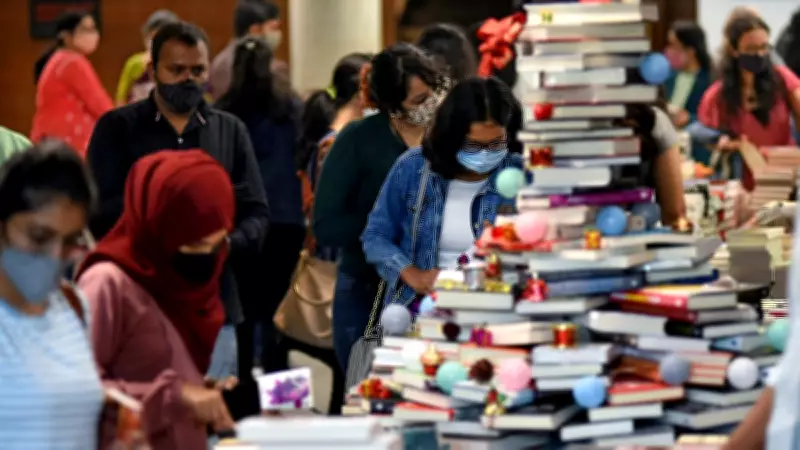
Lit Fests and the Missing Stories: A Critical Look at Marginalized Voices
Literary festivals in India have become prominent cultural events, drawing authors, readers, and media attention from across the nation and beyond. However, a significant issue persists in these gatherings: the frequent exclusion of marginalized voices from their line-ups. This oversight not only limits the diversity of narratives presented but also reinforces existing social hierarchies within the literary world.
The Challenge of Representation in Literary Spaces
Despite the growing popularity of lit fests, many events continue to feature predominantly mainstream authors, often overlooking writers from marginalized communities. These communities include individuals from lower castes, tribal backgrounds, linguistic minorities, and other underrepresented groups. Their stories, rich with unique perspectives and experiences, are crucial for a holistic understanding of Indian society and culture.
The absence of these voices can be attributed to several factors, including systemic barriers in publishing, lack of networking opportunities, and biases in selection processes. As a result, lit fests risk becoming echo chambers that fail to reflect the true diversity of India's literary landscape.

Equitable Access to English as a Catalyst for Change
One of the key barriers for marginalized writers is limited access to English, which remains a dominant language in India's literary and publishing industries. English proficiency often serves as a gateway to wider recognition, publication deals, and invitations to prestigious events like literary festivals.
By promoting equitable access to English education and resources, we can empower marginalized writers to share their stories more effectively. This involves initiatives such as:
- Providing language training and writing workshops in underserved communities.
- Creating platforms that publish and promote works in regional languages alongside English translations.
- Encouraging lit fest organizers to actively seek out and include diverse voices in their programming.
Such efforts can help bridge the gap and ensure that lit fests become more inclusive spaces where all stories are heard and valued.
Moving Towards More Inclusive Literary Festivals
Change in the literary festival scene requires a concerted effort from all stakeholders—organizers, publishers, authors, and audiences. Organizers can take proactive steps by:
- Diversifying their selection committees to include representatives from marginalized communities.
- Offering scholarships or travel grants to enable participation from underrepresented writers.
- Incorporating sessions that focus on themes related to social justice, diversity, and inclusion.
Additionally, audiences can support this shift by attending events that prioritize diversity and advocating for more inclusive line-ups. By working together, we can transform lit fests into vibrant forums that celebrate the full spectrum of Indian literature.
In conclusion, while literary festivals play a vital role in promoting literature and culture, they must address the exclusion of marginalized voices. Equitable access to English and a commitment to inclusivity are essential steps toward creating more representative and enriching literary experiences for all.