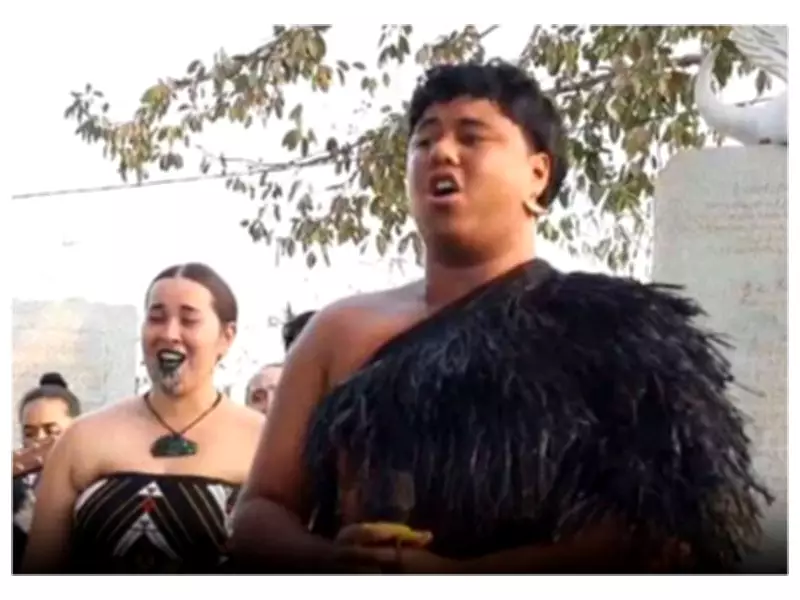
In a remarkable display of cross-cultural unity, a delegation from New Zealand's Maori tribe recently visited the sacred Sammakka Saralamma shrine in Telangana, India. The visit, which occurred during the auspicious Medaram Jatara festival, saw the Maori performers engage in a powerful rendition of their traditional Haka war dance, creating a memorable moment that bridged continents and traditions.
A Historic Cultural Exchange in Telangana
The event took place at the Sammakka Saralamma shrine, a revered site located in the Medaram region of Telangana. This shrine is the focal point of the biennial Medaram Jatara, one of the largest tribal festivals in India, attracting millions of devotees. The Maori delegation's participation added an international dimension to this already vibrant celebration, highlighting the global appeal of indigenous cultures and their rituals.
The Significance of the Haka Performance
The Haka is a traditional Maori dance form from New Zealand, often performed as a war cry, challenge, or ceremonial display. It involves vigorous movements, rhythmic chanting, and expressive facial gestures, symbolizing strength, unity, and respect. By performing the Haka at the Sammakka Saralamma shrine, the Maori delegation aimed to honor the local tribal deities and showcase their own cultural heritage. This act was not merely a performance but a profound gesture of mutual respect and cultural dialogue between two distinct indigenous communities.

Reactions and Impact of the Event
The performance was met with awe and appreciation by the local attendees and festival organizers. Many described it as a historic moment that fostered greater understanding and appreciation between Indian tribal traditions and Maori customs. Such exchanges are increasingly important in today's globalized world, as they promote cultural diversity and help preserve indigenous practices. The event also underscores Telangana's growing role as a hub for international cultural interactions, particularly through its rich tribal heritage and festivals.
Broader Implications for Cultural Diplomacy
This unique encounter between the Maori tribe and the tribal communities of Telangana serves as a powerful example of cultural diplomacy in action. It demonstrates how traditional practices can transcend geographical boundaries and create meaningful connections. The Maori delegation's visit is part of a larger trend of increasing cultural exchanges between India and New Zealand, which have been strengthening bilateral ties through shared interests in indigenous rights, environmental conservation, and cultural preservation.
Moreover, the performance at the Sammakka Saralamma shrine highlights the universal themes of spirituality and community that are central to many indigenous cultures. By participating in the Medaram Jatara, the Maori delegates not only shared their culture but also learned about the local traditions, fostering a two-way exchange that enriches both sides. Such initiatives are crucial for promoting global harmony and ensuring that diverse cultural heritages are celebrated and sustained for future generations.