Mansa Devi Mandir: The Sacred Shakti Peeth Where Dreams Come True
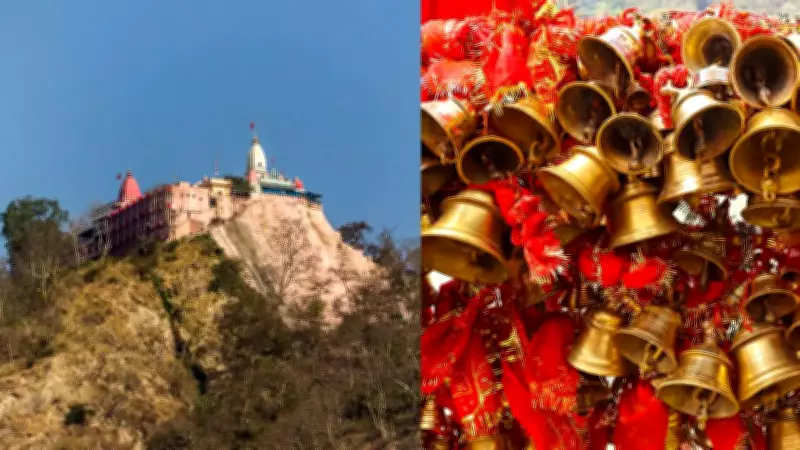
Nestled at the peak of Bilwa Parvat in the holy city of Haridwar, Uttarakhand, the Mansa Devi Mandir stands as a powerful Shakti Peeth, revered for its ability to manifest the dreams and wishes of devotees through the boundless Sankalpa Siddha shakti of Goddess Manasa. Every year, countless pilgrims from across India flock to this sacred shrine, drawn by the belief that their heartfelt desires can be realized here through divine grace.
The Unique Ritual of Tying Sacred Threads
A distinctive tradition at the Mansa Devi Mandir involves devotees tying a sacred yellow-red thread, known as mundari or manak ka dhaga, to the branches of the Snohi tree within the temple premises. This ritual is performed after taking a sankalpa (vow) and chanting the mantra "Om Aim Hreem Kleem Mansa Devyai Namah." It is believed that with pure devotion, this act symbolizes the surrender of one's ego to the goddess's serpent-taming compassion, inviting her blessings for wish fulfillment.
Surrender and the Path to Fulfillment
As one of the Ashta Matrikas born from Shakti's divine play to aid Lord Shiva, Goddess Mansa is depicted in a four-armed form holding a damaru, trishul, and kamandalu. Her proximity to the Ganga River is said to channelize Kundalini awakening, amplifying prana shakti, especially during Navratri when her energy surges. This period often sees the fulfillment of wishes related to progeny, wealth, marriage, and healing. Pilgrims return to untie their threads, offering coconuts, sindoor, and performing mundan or havan to complete their karmic circuit. Her grace is also believed to dissolve obstacles like Nag Dosha, rooted in the maternal benevolence described in the Kalika Purana.

Historical Origins and Construction
The history of the Mansa Devi Mandir dates back to the 18th century, with its construction believed to have occurred between 1811 and 1815 under King Gola Singh. According to legend, after the cosmic Samudra Manthan, a few drops of divine nectar (amrit) accidentally fell on this site, sanctifying it forever. The temple houses two distinct idols of the goddess: one with three faces and five arms, and another with eight arms. Goddess Mansa is depicted seated on a lotus and serpent, symbolizing fertility, protection, and the power to grant wishes.
Mythological Significance
As per the Skanda Purana, Mansa Devi is considered the tenth form of the Divine Shakti. Mythology recounts that when the demon Mahishasura defeated the Gods, they prayed to the Goddess for protection, leading her to appear and vanquish the demon. In gratitude, the gods worshipped her and requested that she continue fulfilling the heartfelt desires (Manasa) of her devotees in the Kali Yuga, the present era. It is believed that after the battle, the Goddess rested near the peak of the Shivalik range, close to where the current temple stands, inspiring its construction at this sacred location.
Spiritual Significance and Role in Haridwar
As a guardian of Panch Teerth Haridwar, Mansa Devi harmonizes Kundalini shakti, with her serpent iconography helping to dissolve ego and fears. Alongside the nearby Chandi Devi, she completes the trinity of Har Ki Pauri, inviting devotees of all faiths to surrender their desires for cosmic fulfillment. This temple not only serves as a beacon of spiritual awakening but also as a testament to the enduring power of devotion in the Hindu tradition.