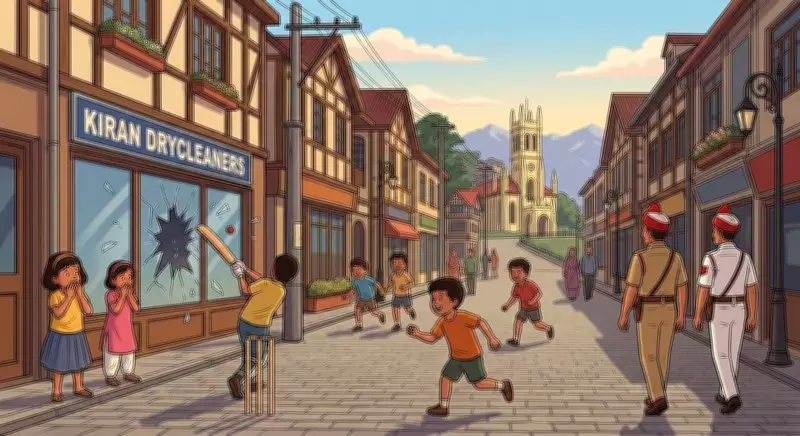
The Evolution of Mall Road: From Playground to Urban Center
In many Indian cities, Mall Road once served as a cherished playground for children, a serene stretch where laughter and games echoed freely. Today, it stands transformed into a bustling hub of commerce and social activity, symbolizing the rapid pace of urban development. This shift reflects broader changes in urban landscapes, where spaces once dedicated to leisure and community have been repurposed to meet growing economic and infrastructural demands.
A Nostalgic Look Back at Mall Road's Past
Decades ago, Mall Road was often a quiet, tree-lined avenue where children could play cricket, hopscotch, or simply run around without the constant threat of traffic. Residents recall it as a communal space where families gathered for evening strolls, and neighbors bonded over casual conversations. The road's name, derived from its historical role as a promenade or "mall," hinted at its leisurely origins, which have since been overshadowed by modernization.
Key aspects of its past include:

- Low traffic levels, allowing safe play areas for kids.
- Green spaces and benches, fostering community interactions.
- Local shops and vendors, adding to its quaint charm without overwhelming the ambiance.
The Drivers of Change on Mall Road
The transformation of Mall Road from a playground to an urban hub has been driven by several factors. Urbanization and population growth have increased the demand for commercial spaces, leading to the construction of malls, offices, and high-end stores along the road. Infrastructure projects, such as widened roads and improved connectivity, have made it more accessible but also busier, reducing its suitability for children's play.
Notable changes include:
- Commercialization, with the rise of retail outlets and entertainment centers.
- Increased vehicular traffic, prioritizing mobility over pedestrian safety.
- Architectural shifts, from low-rise buildings to modern high-rises.
Impact on Community and Urban Life
This evolution has had mixed effects on local communities. While economic opportunities have flourished, with Mall Road becoming a prime location for businesses and social gatherings, the loss of its playground identity has sparked nostalgia among older residents. Children today may experience it as a vibrant shopping district rather than a safe play area, highlighting a trade-off between development and quality of life.
Community responses include:
- Nostalgic reminiscences from those who grew up playing there.
- Adaptation by younger generations, who view it as a modern urban space.
- Calls for balanced development, advocating for preserved green zones amid growth.
Reflecting on Urban Development Trends
The story of Mall Road mirrors broader trends in Indian urban development, where rapid growth often comes at the cost of historical and recreational spaces. Cities across the country are grappling with similar transformations, balancing economic progress with the need for sustainable, livable environments. This case underscores the importance of urban planning that integrates commercial vitality with community well-being.
In summary, Mall Road's journey from a childhood playground to a dynamic urban center encapsulates the complexities of modernization. It serves as a reminder of how urban spaces evolve, shaping memories and lifestyles in the process, while prompting reflection on future development paths.