8 Iconic State Trees of India Every Traveller and Nature Lover Should Know
India's state trees are much more than ceremonial symbols printed in government documents. They are living emblems of the landscapes, histories and traditions that define each region. Some have sheltered pilgrims and traders for centuries, while others have shaped local cuisines, economies and folklore. From the snow-clad Himalayas to the deserts of Rajasthan and the rainforests of the Northeast, these trees offer travellers a fascinating way to understand the ecological character of a destination. Here are 8 of India's most remarkable state trees and the stories they tell.
Andhra Pradesh — Neem
Commonly referred to as the 'village pharmacy,' the neem tree holds a unique position in Indian society. From its leaves, bark, flowers, fruits, and seeds, all parts of this tree have been widely used in traditional medicine for centuries. The neem tree also possesses remarkable strength and durability, thriving in challenging climatic conditions while providing excellent shade and natural protection against insects. For travellers, spotting an old neem tree often means stumbling upon the heart of a village. Many temples, villages, and social gathering centers are located around the neem tree, reflecting the reverence with which it is viewed locally.
Assam and Arunachal — Hollong
The hollong is a towering tree species that emerges above the rainforest canopy in northeastern India. These trees can reach heights of over 40 meters, forming the ecological backbone of the tropical forests in Arunachal Pradesh and Assam. The thick trunks and dense crowns of the hollong serve as habitats for various animals, including birds, insects, and mammals. Though once widely used as timber, these trees today highlight the need to balance economic gain with environmental conservation.

Himachal Pradesh — Deodar
The tree's name, of Sanskrit origin, means "wood of the gods," and no tree evokes the majesty of the Himalayas better than the deodar cedar. Growing gracefully on mountainside slopes, these majestic conifers have attracted poets, pilgrims, and tourists for generations. With their wide-spreading branches and aromatic wood, deodars are symbols of spiritual and architectural significance. Temples in many parts of the western Himalayas use deodar wood, and ancient deodar groves are often considered sacred.
Jammu & Kashmir — Chinar
No other tree has captured the imagination of a people as much as the chinar has captured the soul of Kashmir. Introduced hundreds of years ago and celebrated in songs, poems, and stories, the chinar tree transforms remarkably with seasons, becoming a spectacular sight during autumn. The tree's huge leaves change from green to orange, red, and gold, painting the landscape and creating breathtaking views.
Kerala — Coconut
The coconut palm is not only the official tree of Kerala but a central feature of all aspects of life in the state. Few trees have such an impact on food, architecture, rituals, and occupations. Its fronds sway above beaches and backwaters, while coconuts find their way into curries, sweets, oils, and festive offerings. The versatility of this plant earned it the name "Tree of Life," as almost everything can be derived from it.
Maharashtra — Mango
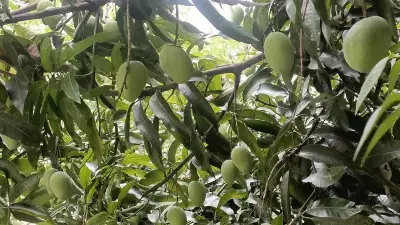
The mango tree is synonymous with abundance, nostalgia, and summer in India. In Maharashtra, it takes on deeper significance thanks to the globally celebrated Alphonso mango. Besides its delicious fruit, the tree plays a significant role in celebrations and religious ceremonies. Mango leaves are used at house entrances to symbolize wealth and happiness. Travelling to Konkan during mango season means seeing orchards rich with fruits.
Rajasthan — Khejri
For the unforgiving landscape of the Thar Desert, the khejri is an unusual and remarkable plant. It provides shelter, fodder, and food for people living in the arid desert and is considered sacred by the Bishnoi community. Khejri increases soil fertility and enables agriculture in harsh desert conditions. Its fruits are an ingredient in the local delicacy ker sangri, and the Bishnoi community's historical struggles for its protection exemplify its importance.

Sikkim and Uttarakhand — Rhododendron
The state tree of Sikkim and Uttarakhand transforms mountainous areas into vibrant spectacles with its blooming. The flowering period attracts botanists, photography enthusiasts, and trekkers. It also highlights the fragility of mountain ecosystems due to global warming. In spring, when the tree blossoms in Uttarakhand, hillsides become covered with scarlet flowers.