The vibrant and auspicious festival of Makar Sankranti will be celebrated across India on Wednesday, January 14, 2026. This major Hindu festival, marking the sun's transition into the zodiac sign of Capricorn (Makara), heralds the arrival of longer days and the onset of the harvest season. It is a day dedicated to ritual worship, expressing gratitude for nature's abundance, and symbolising fresh starts.
Confirmed Timings and Astrological Significance
The exact moment of the Sun's shift into Makara, known as the Sankranti, holds great importance. For the year 2026, the precise timing has been confirmed. This celestial event is considered highly auspicious for spiritual and religious activities. The festival is fundamentally a solar event, unlike many others that follow the lunar calendar, which is why its date remains largely consistent in the Gregorian calendar, usually falling on January 14 or 15.
Key Rituals and Traditional Celebrations
Makar Sankranti is observed with a variety of regional customs and heartfelt rituals that unite the country in a spirit of thanksgiving. A central practice involves taking a holy dip in sacred rivers like the Ganga, Yamuna, and Godavari, believed to wash away sins and bring prosperity.

Ritual worship, or 'puja', is offered to Lord Surya (the Sun God) for a bountiful harvest and to express gratitude for the earth's generosity. The day is also deeply associated with charity, where people donate food, clothes, and essentials to the needy, embodying the spirit of sharing and compassion.
The Iconic Festive Feast
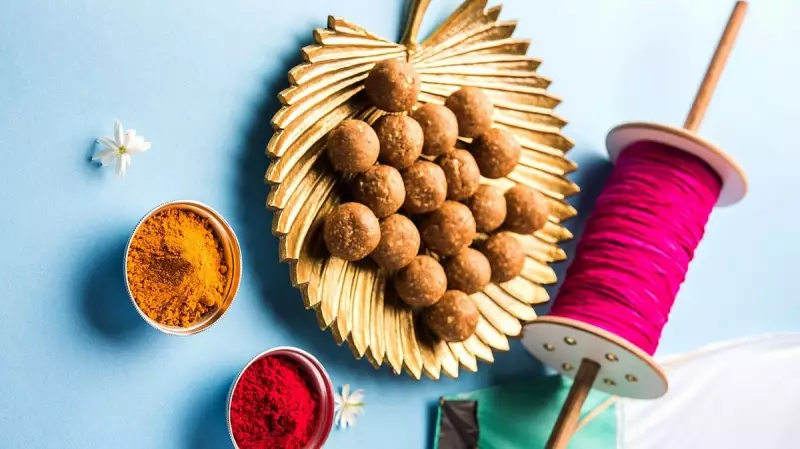
No celebration of Makar Sankranti is complete without its distinctive culinary delights. The exchange and consumption of sweets made from sesame seeds (til) and jaggery (gur) are a hallmark of the day. These ingredients are not just tasty but are also symbolic and nutritious.
- Til (Sesame): Represents warmth and is believed to ward off the winter chill.
- Gur (Jaggery): Symbolises sweetness and the desire for a harmonious life.
From til chikkis and gur laddoos to pongal and khichdi, the festive menu varies from state to state but rarely misses these two key elements. Flying kites is another joyous tradition, especially in states like Gujarat and Rajasthan, where the sky becomes a canvas of colourful kites, symbolising reaching out to the divine.
A Festival of New Beginnings
Beyond the rituals and feasts, Makar Sankranti carries a profound philosophical significance. It marks a period of transformation and renewal—the end of the inauspicious phase and the beginning of an auspicious one. Farmers celebrate the harvest of their rabi crops, and it is a time for families to come together, forgive past grievances, and set positive intentions for the future. The festival beautifully underscores the inseparable bond between human life, nature, and the cosmos, reminding everyone to live in gratitude and harmony.