Maha Shivratri 2026: Auspicious Date and Timings for Devotees
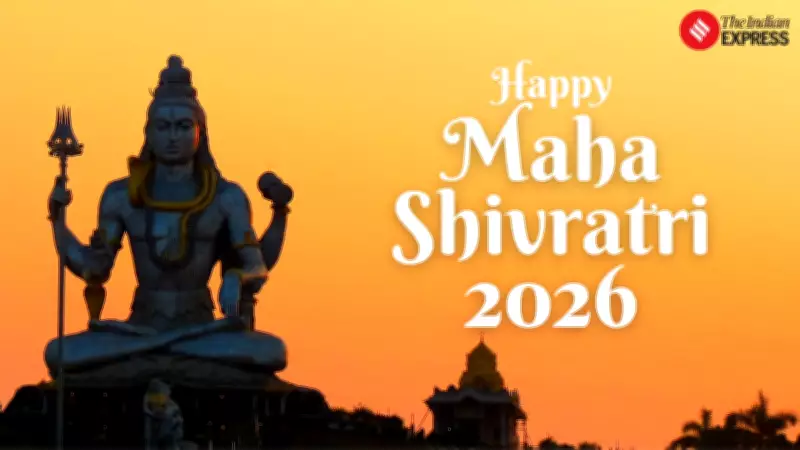
Maha Shivratri, revered as the 'Great Night of Shiva,' stands as one of the most profound Hindu festivals dedicated to Lord Shiva, also known as Mahadeva. In 2026, this sacred occasion will be celebrated on Sunday, February 15, 2026, marking a day of deep spiritual reflection and devotion across India, Nepal, and Hindu communities worldwide.
Significance and Legends of Maha Shivratri
According to Shaivism traditions, Maha Shivratri is believed to be the night when Lord Shiva performs his cosmic dance, symbolizing the eternal cycles of creation, preservation, and destruction. This divine performance is said to delight devotees and offer profound spiritual insights. Another popular legend commemorates the celestial marriage of Lord Shiva and Goddess Parvati, representing the harmonious balance of cosmic energies. The festival encourages followers to meditate on virtues such as honesty, nonviolence, generosity, and forgiveness, aligning with Shiva's teachings.
Regional Variations and Seasonal Symbolism
While North India observes Maha Shivratri during the Phalgun month, South India celebrates it on the Chaturdashi Tithi of Krishna Paksha in Magh. Despite these calendar differences, the essence of Shivratri remains consistent—a night of fasting, prayers, and introspection. Occurring annually in February or March, the festival heralds the transition from winter to spring, symbolizing renewal and rejuvenation in nature and spirit.

Detailed Timings for Puja and Parana in 2026
The Nishita Kaal Puja, a pivotal ritual, is scheduled from 12:09 AM to 01:01 AM on February 16, 2026. Following this, the Shivaratri Parana timings extend from 06:59 AM to 03:24 PM on the same day. Devotees meticulously adhere to these timings to maximize the spiritual benefits of their observances.
Fasting Rules and Puja Vidhi for Maha Shivratri 2026
Devotees traditionally consume only one meal on Trayodashi, the day preceding Shivratri, before commencing their fast. As per guidelines from drikpanchang.com, after performing morning rites, individuals take a Sankalp (vow) to fast throughout the day, breaking it only the following day. This practice emphasizes discipline and devotion.
Six Essential Rituals for Maha Shivratri Puja
- Bathing the Shivalingam: Using water, milk, and bel leaves, this act symbolizes the purification of the soul, washing away impurities and negative energies.
- Applying Vermilion: After the bath, applying vermilion to the Shivalingam marks virtue and devotion, enhancing spiritual connection.
- Offering Fruits: Presenting fruits during worship signifies the fulfillment of desires and the blessing of longevity, reflecting gratitude and hope.
- Burning Incense Sticks: The fragrant smoke from incense sticks represents prosperity and invites positive vibrations into the sacred space.
- Presenting Betel Leaves: Offering betel leaves indicates contentment with worldly pursuits, promoting satisfaction and peace.
- Lighting Lamps: Illuminating lamps symbolizes the attainment of wisdom and understanding, guiding devotees toward enlightenment.
By observing these rituals with sincerity, devotees honor Lord Shiva and seek his blessings for spiritual growth and well-being. Maha Shivratri 2026 promises to be a momentous occasion for reflection, celebration, and divine connection.