Maha Shivaratri 2026: A Deep Dive into the Sacred Festival of Lord Shiva
Maha Shivaratri, one of the most revered festivals in India, is a day dedicated to the worship of Lord Shiva. According to the Hindu calendar, it falls on the Chaturdashi Tithi, which is the 14th day of the Krishna Paksha in the month of Phalguna. This year, the festival will be celebrated on Sunday, February 15, 2026, with specific timings and rituals that hold profound spiritual significance.
The Significance and Mythology Behind Maha Shivaratri
Maha Shivaratri, often translated as "The Great Night of Shiva," commemorates the divine marriage of Lord Shiva to Goddess Parvati. Traditional beliefs hold that on this auspicious day, the gods shower their blessings, often manifesting as rain, and Lord Shiva performs his iconic Tandava dance. This festival is unique among Hindu celebrations as it does not follow the Udaya Tithi rule, which is based on sunrise. Instead, it is determined by the Chaturdashi Tithi that is active during the night, making the nocturnal worship central to the observance.
Another key mythological aspect is the story of Samudra Manthan, the churning of the ocean. It is said that Lord Shiva consumed the poison that emerged during this event, saving the universe. In honor of this act, devotees offer unusual prasad items that are typically considered poisonous, such as Aak ke Phool, Bhang, and Dhatura. These offerings symbolize Shiva's role as the protector and his transcendence beyond worldly norms.

Date and Tithi Details for Maha Shivaratri 2026
As per Drik Panchang, the Chaturdashi Tithi for Maha Shivaratri 2026 begins on February 15, 2026, at 5:04 PM and ends on February 16, 2026, at 5:34 PM. Since the festival is based on the Tithi in effect at night, the main celebrations and night-long worship will occur on February 15. It is important to note that celebrating on February 16 would be incorrect, as the Tithi would have concluded by then.
Rituals and Puja Timings for Devotees
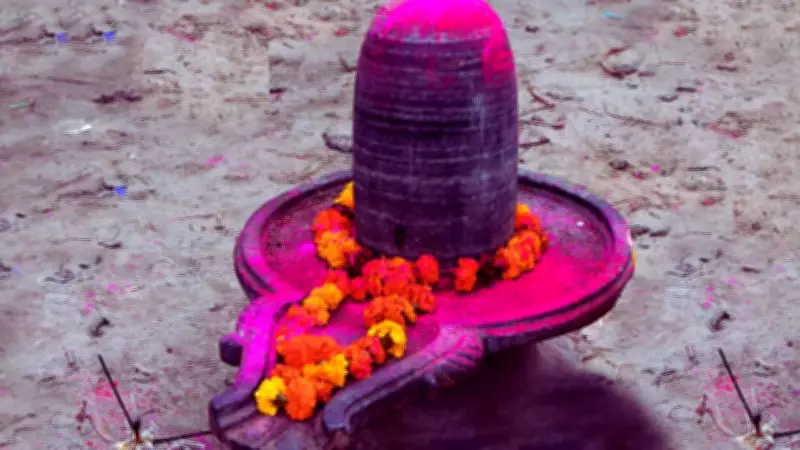
On Maha Shivaratri, devotees observe a day-long fast, breaking it only after performing puja. They offer water, milk, fruits, flowers, and Chandan (sandalwood) to Shivalings, believing this helps overcome past sins. The puja can be performed once or four times during the night, with the latter being considered most auspicious.
The night is divided into four prahars (quarters), each with specific puja timings:
- First Prahar: 6:11 PM to 9:23 PM on February 15
- Second Prahar: 9:23 PM on February 15 to 12:35 AM on February 16
- Third Prahar: 12:35 AM to 3:47 AM on February 16
- Fourth Prahar: 3:47 AM to 6:59 AM on February 16
The most sacred time for worship is Nishita Kaal, which occurs from 12:09 AM to 1:01 AM on February 16, lasting 51 minutes. This period is ideal for Shiva Puja, abhishek, meditation, and chanting mantras like "Om Namah Shivaye."
Breaking the Fast and Spiritual Practices
Devotees who fast should perform Parana (breaking the fast) between 6:59 AM and 3:24 PM on February 16, 2026. It is recommended to break the fast with satvik food, maintaining the purity of the observance. Chanting the Shiva Strotam and offering panchamrit along with milk and sandalwood to the Shivalinga are key practices for spiritual benefits.
Maha Shivaratri celebrates Shiva as the lord of otherworldly beings, emphasizing devotion, purification, and connection with the divine. By adhering to these rituals and timings, devotees seek blessings for a prosperous and peaceful life.