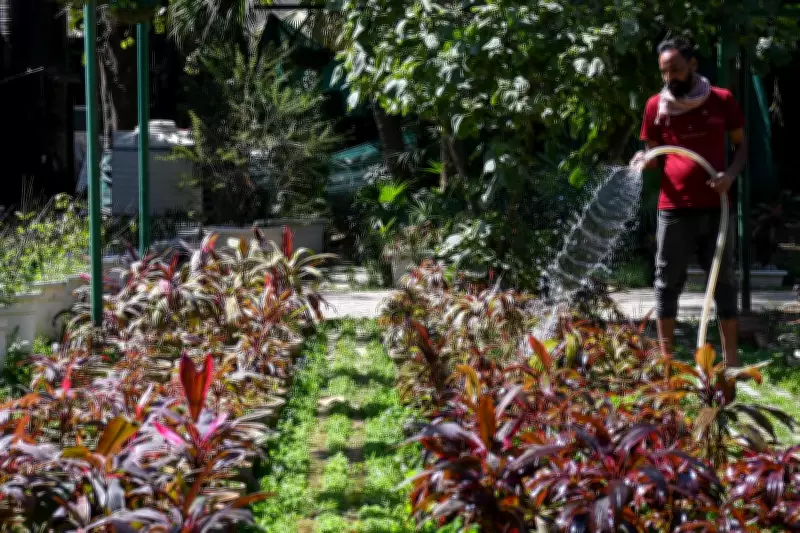
Lodhi Garden Celebrates Nine Decades as Delhi's Historic Green Heart
In the bustling heart of India's capital, the iconic Lodhi Garden stands as a remarkable 90-year-old testament to the harmonious fusion of history, heritage, and natural beauty. This sprawling 90-acre oasis, with its majestic domed monuments, expansive lawns, and serene atmosphere, draws thousands of visitors daily who come to experience its timeless charm.
The Gardeners: Unsung Heroes of a Living Legacy
Beyond the lush greenery and magnificent architectural treasures lies a quieter, deeply personal narrative—the story of the dedicated gardeners who have tended this soil for decades. For these caretakers, Lodhi Garden represents far more than just a workplace; it is a second home, a source of profound peace, and a lifelong bond with nature itself.
The garden's meticulous maintenance is handled by nearly 70 dedicated gardeners, helpers, and maintenance staff members. Approximately 50 professionals focus on the main garden's upkeep, while 20 specialists tend to the nursery. Remarkably, only one or two have been serving since the 1990s, with most joining around 2008.

More Than Duty: A Source of Pride and Fulfillment
For these horticultural caretakers, nurturing the garden transcends mere professional obligation—it becomes a profound source of pride and personal fulfillment. They describe it as a genuine blessing to witness visitors strolling through the greenery, capturing photographs, and admiring plants that grew from seeds they personally sowed 25 to 30 years ago.
"In those early days, the garden resembled a 'khet,' much like a village field," recalled a 59-year-old gardener who requested anonymity. "Through persistent effort over time, we transformed it into this lush green space. Today, it stands as one of Delhi's most beautiful gardens and a major tourist destination. Every single day, VIPs and ordinary visitors alike come here and appreciate our work."
Another senior supervisor reflected on the garden's evolution, remembering when every task—from soil digging and sapling planting to watering, sweeping, and pruning—was performed manually. "We used our hands for everything," he explained. "Modern machinery and technology have certainly made our work easier and faster today. Even sweeping is now equipment-assisted. Yet, we still nurture plants like our own children, and that emotional connection remains as strong as ever."
A Profound Connection with Nature
For numerous gardeners, tending to the park represents not merely a profession but a genuine calling. "Nature is life itself," expressed one gardener. "While many people work confined within four walls, we are blessed to labor under the open sky. Plants are living beings—we care for them as we would our own children. When they fall ill, we nurture them back to health with the same devotion."
This emotional connection with the garden runs remarkably deep. "Whenever I feel troubled or upset, this place provides me with immediate peace," shared another gardener. Pointing toward the towering trees with visible pride, he added, "I personally planted some of those saplings years ago. Watching them mature feels exactly like watching your own children grow up."
Historical Roots and Architectural Significance
Originally established in 1936 as Lady Willingdon Park during British colonial rule, the garden was subsequently renamed Lodhi Garden following India's independence. The site houses extraordinary architectural gems from the 15th and 16th centuries, including the tombs of Mohammed Shah and Sikandar Lodi, along with the magnificent Bara Gumbad and Shish Gumbad structures.
Redesigned in 1968 by the renowned architect Joseph Allen Stein, the park exemplifies a seamless integration of historical preservation and natural beauty. The New Delhi Municipal Council (NDMC) maintains the garden, ensuring its ongoing preservation and meticulous upkeep for future generations.

Ecological Diversity and Visitor Experience
The park boasts an impressive ecological portfolio with over 200 plant species and more than 5,400 individual trees. This collection includes indigenous varieties such as neem, peepal, and amaltas alongside exotic species like silver oak and Caribbean trumpet trees, according to NDMC officials. Additional features like bamboo groves, rose gardens, a glasshouse, and herbal nurseries further enrich the garden's remarkable biodiversity.
Over the decades, Lodhi Garden has evolved into a cherished haven for morning walkers, joggers, yoga enthusiasts, photographers, students, and tourists alike. Visitor numbers typically swell between October and March, with an estimated 10,000 to 20,000 people arriving daily, particularly during morning and evening hours. Entry remains completely free, with operating hours adjusting seasonally.
A Sanctuary Amid Urban Chaos
Regular visitors consistently describe the garden as a vital sanctuary amid Delhi's urban chaos. "This is truly one of the most beautiful places in the entire city," said Ritu Sharma, a frequent visitor. "During the monsoon season, it transforms into something even more magical."
College student Aditya Mehra echoed this sentiment, noting, "There's something genuinely timeless about this place. The combination of lush greenery, historical monuments, and peaceful atmosphere makes it exceptionally special."
For the gardeners, such heartfelt appreciation provides deep professional and personal satisfaction. "When people admire the flowers and take photographs, it gives us immense joy," shared a gardener who has worked there since 2008. "We feel tremendous pride knowing our efforts bring happiness to so many others."
A Cultural and Ecological Hub
Strategically located within the prestigious Lodhi Estate, the garden is surrounded by prominent cultural landmarks including the India Habitat Centre, India International Centre, and Alliance Française de Delhi, further enhancing its significance as both a cultural and ecological hub.
As Lodhi Garden completes nine remarkable decades, its enduring charm stands as a living tribute to these unsung horticultural heroes. While history remains permanently etched in its ancient tombs and monuments, the garden's vibrant present continues to thrive through the skilled hands that nurture every leaf, blossom, and branch.
For the dedicated gardeners who have devoted significant portions of their lives to its care, Lodhi Garden represents far more than just a workplace—it is a lifelong companion, sustained through unwavering dedication, genuine love, and an enduring commitment to preserving nature's beauty for generations to come.