In countless Indian homes, the mere mention of the word 'Kharmas' acts as a signal for caution. It is a time when wedding dates are rescheduled, plans for griha pravesh (housewarming) are put on hold, and elders advise against embarking on any new ventures. This deeply ingrained cultural observance, however, is frequently shrouded in misconception, often dismissed simply as an unlucky phase. The truth is far more nuanced. Kharmas is not about inviting misfortune; it represents a cosmic pause, a period designed for introspection and conservation of energy rather than for initiating major life events.
What Exactly is Kharmas?
Kharmas is a specific period in the Hindu calendar that occurs twice a year. It is marked by the Sun's transit into the zodiac signs of Sagittarius (Dhanu) and Pisces (Meena). Astrologically, these signs are governed by Jupiter, or Guru, the planet associated with wisdom, expansion, and righteousness. The first phase typically falls between mid-December and mid-January, while the second occurs from mid-March to mid-April.
The core belief stems from the idea that the Sun, which symbolizes vitality, authority, and forward momentum, is considered to be in a weakened state while positioned in these Jupiter-ruled signs. Consequently, this period is seen as unsupportive for material beginnings that require robust solar energy. This is the origin of the common restrictions—it is more about a strategic pause than an outright prohibition.

Why Major Events Are Avoided During Kharmas
According to Vedic astrology, actions commenced when the Sun's energy is subdued may lack the necessary drive and long-term stability. Therefore, initiating significant milestones is believed to potentially lead to delays, obstacles, or the need for redoing efforts later. This is why traditional practices strongly discourage several activities during Kharmas.
Families typically avoid planning the following during this time:
- Weddings and engagement ceremonies
- Griha pravesh (housewarming ceremonies)
- Launching new business ventures
- Naming ceremonies (Namkaran) and Mundan sanskar
It is crucial to note that daily life does not come to a halt. Routine work, employment, education, travel, and essential medical treatments continue as usual. The focus is specifically on postponing ceremonial and auspicious beginnings.
The Spiritual and Mythological Significance
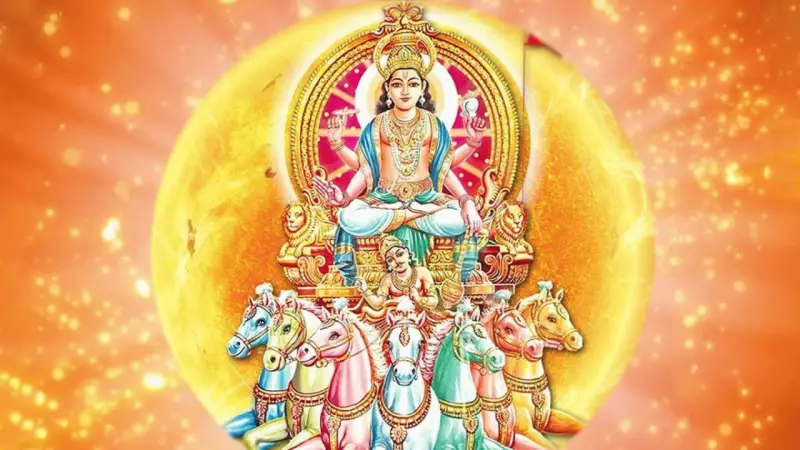
Far from being a negative interval, Kharmas holds profound spiritual importance. Mythology offers explanations, such as the tale where Lord Surya (the Sun God) enters the domain of Guru and temporarily cedes some authority. Since Jupiter is the teacher of the gods, his realm is associated with inward learning rather than outward celebration. Another belief suggests that the deities themselves are in a state of rest during Kharmas, making it an inopportune time to seek blessings for grand worldly affairs.
This inward focus makes Kharmas an exceptionally auspicious time for spiritual pursuits. While material beginnings are put on hold, the period actively encourages:
- Fasting and adopting a sattvic (pure) diet
- Performing charity (daan) and acts of service
- Japa (mantra repetition), meditation, and chanting
- Studying religious scriptures and philosophical texts
- Undertaking pilgrimages and visiting temples
In essence, Kharmas serves as a spiritual counterbalance in the annual cycle. It reminds us that not all phases are meant for external expansion; some are designed for cleansing, reflection, and realigning with one's core purpose.
Aligning with Seasonal Wisdom
Interestingly, the timing of Kharmas also aligns with practical seasonal wisdom. The December-January phase coincides with the peak of winter, while the March-April period marks the onset of intense heat. These are times when the body's immunity and digestive capacity are often under strain. The traditional advice against heavy celebrations during these physically taxing months reveals how ancient astrological guidance was intertwined with early health science and environmental awareness.

For many modern Indian families, observing Kharmas is less an act of superstition and more a gesture of respect for natural rhythms. It prompts valuable questions: Can this new beginning wait a few weeks? Can we use this time for deeper preparation? Can we turn our attention inward to gather strength and clarity?
Kharmas is not a curse upon time. It is a deliberate pause woven into the fabric of the calendar, acknowledging that life, like nature, has seasons of growth and seasons of rest. It is a period meant for grounding, strengthening roots, and quiet alignment, ensuring that when action finally resumes, it does so with renewed vigor and clear intention.