Historic Union of Kashi and Mathura for Rangbhari Ekadashi
In a groundbreaking cultural and spiritual event, the two premier centers of Hindu devotion – Kashi and Mathura – are set to embrace each other for the very first time this Rangbhari Ekadashi, which falls on Friday. This unprecedented exchange marks a significant moment in India's religious landscape, bringing together traditions that have historically been celebrated separately.
Colorful Exchange Between Sacred Sites
Colors and gulal from the revered Kashi Vishwanath Temple (KVT) are currently en route to Vrindavan, carrying the blessings and festive spirit of Kashi. Simultaneously, a vibrant troupe of folk artistes from the Shri Krishna Janmasthan Temple will journey to Kashi Vishwanath Temple, bringing with them the enchanting 'raas' and floral Holi vibes that characterize the Braj region's celebrations.
The festival, celebrated just days before the main Holi festivities, commemorates the divine return of Lord Shiva to Kashi following his marriage to Goddess Parvati. What makes Rangbhari Ekadashi particularly unique is its dual association with both Shaiva and Vaishnava traditions, as it also incorporates elements of Vishnu worship, creating a beautiful synthesis of devotional practices.

Significance and Preparations
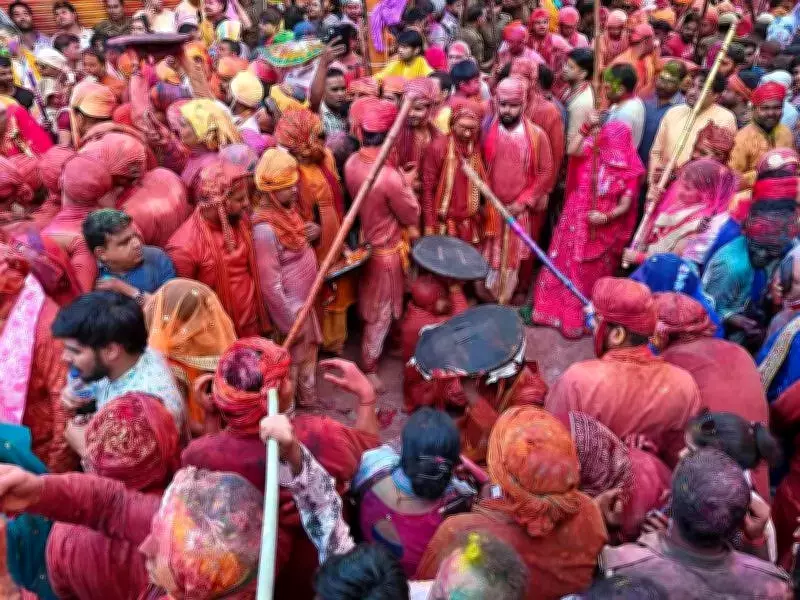
Kashi Vishwanath Temple CEO Vishwa Bhushan Mishra emphasized the special significance of Rangbhari Ekadashi in both Kashi and Braj traditions. "This festival holds a cherished place in our cultural heritage," Mishra noted, highlighting how in Varanasi, devotees traditionally flock to the KVT with deity idols amid clouds of flying gulal, accompanied by the rhythmic beats of dhol and sacred mantras.
The exchange began with a gift-laden vehicle arriving at Shri Krishna Janmabhoomi on Wednesday, carrying an assortment of offerings including colors, gulal, clothing, fruits, flowers, toys, chocolates, and sweets specifically for Laddu Gopal. Kapil Sharma, secretary of the Krishna Janmasthan Seva Sansthan, warmly received these gifts and confirmed that folk artistes would depart for Kashi on Thursday with reciprocal offerings.
Security and Traditional Protocols
In preparation for the historic celebration, comprehensive security arrangements have been implemented. Officials from the district administration, police, CRPF, NDRF, and temple authorities convened on Tuesday evening to finalize security plans, ensuring the safety of all participants and devotees.
Following detailed discussions with the family of the former Mahant, Mishra announced that only 64 identified individuals would be permitted to enter with their palanquins. The palanquin will be ceremoniously installed in the sanctum sanctorum in strict accordance with established traditions and customs, maintaining the sanctity of the rituals while facilitating this unprecedented inter-temple exchange.
This landmark event represents more than just a festival celebration – it symbolizes the unifying power of India's diverse spiritual traditions, bringing together communities that have long shared devotional practices but are now physically connecting their celebrations in an unprecedented manner.