Kantha Embroidery: The Art of Upcycling Worn Textiles into Quilts
In the rural landscapes of Bengal, a remarkable tradition of textile artistry has flourished for centuries, transforming everyday wear into cherished heirlooms. This practice, known as Kantha, involves the meticulous layering and stitching of worn cotton muslin sarees and dhotis, which were rarely discarded by the women and men of the region. Instead, these garments were repurposed with care and creativity, giving birth to a unique form of quilt-making that embodies both utility and beauty.
The Origins and Process of Kantha Craftsmanship
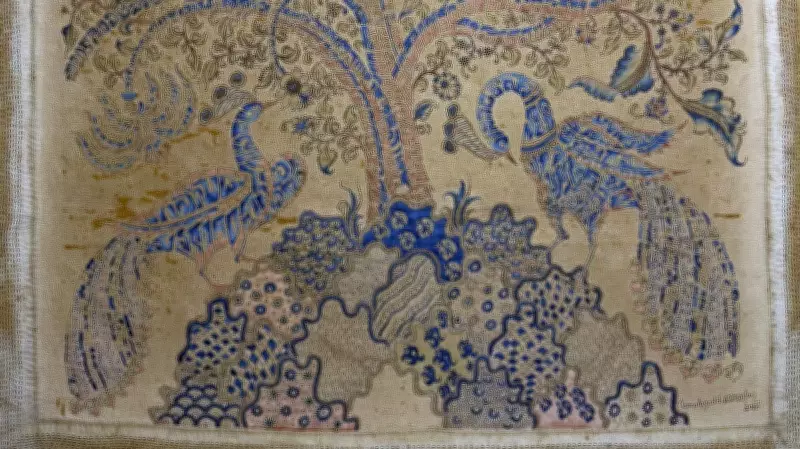
The essence of Kantha lies in its sustainable approach to textiles. When sarees and dhotis became too worn for daily use, they were not thrown away but carefully collected and prepared for a new life. These fabrics were layered together, often with multiple pieces to add thickness and warmth, and then stitched using a simple running stitch. This stitching not only held the layers together but also created intricate patterns and motifs, turning a functional item into a work of art. The resultant fabric, now a durable and cozy quilt, served as a practical bedding solution while also telling stories through its designs, often depicting scenes from nature, mythology, or daily life.
Cultural Significance and Modern Relevance
Kantha quilts are more than just blankets; they are a testament to the resourcefulness and artistic expression of Bengali culture. Historically, this craft was passed down through generations, with women in households taking the lead in creating these pieces during leisure time. Today, Kantha has gained recognition beyond rural Bengal, celebrated in the global fashion and home decor industries for its eco-friendly ethos and aesthetic appeal. The art form highlights the importance of upcycling and sustainability, offering lessons in reducing textile waste while preserving cultural heritage. As interest in traditional crafts grows, Kantha continues to inspire contemporary designers and artisans, ensuring its legacy endures in a modern context.

In summary, the Kantha tradition showcases how simple materials can be transformed into something extraordinary, blending practicality with artistic flair. It stands as a powerful example of how cultural practices can adapt and thrive, promoting sustainability and creativity in equal measure.