Jaipur Literature Festival Ignites Controversy Over India's Literary Boom
The prestigious Jaipur Literature Festival (JLF) has become the center of a heated debate following a critical article in The Guardian that questioned the proliferation of literary festivals in India. However, prominent authors and festival organizers have strongly defended JLF, highlighting its overwhelming success and the vibrant engagement of India's growing readership.
Authors and Attendees Rally in Defense of JLF
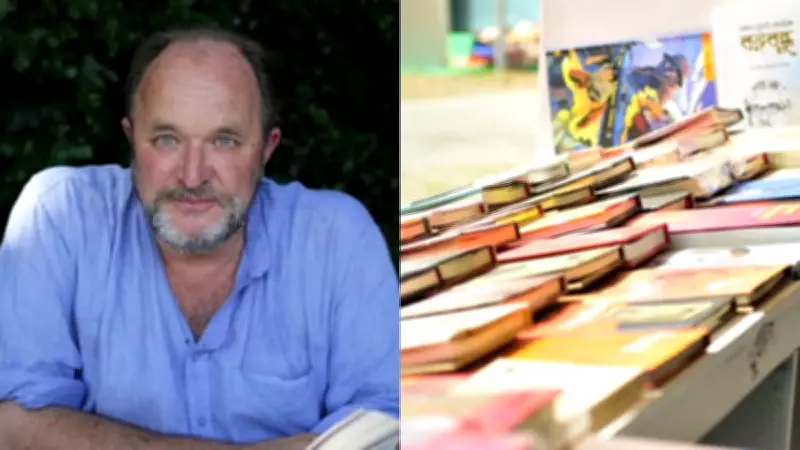
Renowned historian and writer William Dalrymple, a key figure behind JLF, took to social media to counter the criticism. He described the festival's literary sessions as "massively crowded with passionate, nerdy young readers" and noted that authors consistently report the longest signing queues of their careers. In a striking testament to its impact, Dalrymple revealed that over 44,000 books were sold during just five days of the last JLF edition.
Tim Adams, a writer for The Observer, echoed this sentiment, expressing pride in his publication's involvement with the festival. He praised JLF as "a wonderful meeting of minds and ideas and excitement and argument about books," emphasizing that he has never witnessed more engaged audiences, spanning both young and old demographics.

Criticism from The Guardian Sparks Widespread Backlash
The controversy stems from an article in The Guardian that portrayed the existence of numerous literary festivals in India as a negative development. This perspective has been met with bewilderment and pushback from the Indian literary community and enthusiasts alike.
Commentator Arnav Das Sharma articulated a common rebuttal, pointing out that the very fact India hosts so many sponsored literature festivals is a direct indicator of a burgeoning readership base. He questioned the logic of the article, suggesting it fails to recognize the positive cultural and economic implications of such events.
Implications for India's Cultural and Publishing Landscape
This debate underscores a significant shift in India's literary scene. The defense of JLF highlights how festivals are not merely social gatherings but crucial platforms that drive book sales, foster intellectual discourse, and connect authors with an enthusiastic public. The record-breaking book sales at JLF demonstrate a robust market for literature, contradicting narratives of declining readership.
The sponsored nature of these festivals, as noted by critics, is seen by defenders as a sign of healthy corporate and institutional support for the arts, enabling large-scale events that might otherwise be unsustainable. This model has allowed JLF and similar festivals to thrive, attracting international authors and creating a global dialogue.
Ultimately, the Jaipur Literature Festival stands as a powerful symbol of India's dynamic literary culture. The passionate responses from its supporters reveal a deep-seated appreciation for events that celebrate books and ideas, suggesting that the festival's crowded sessions and long signing queues are not problems to be lamented but successes to be celebrated.