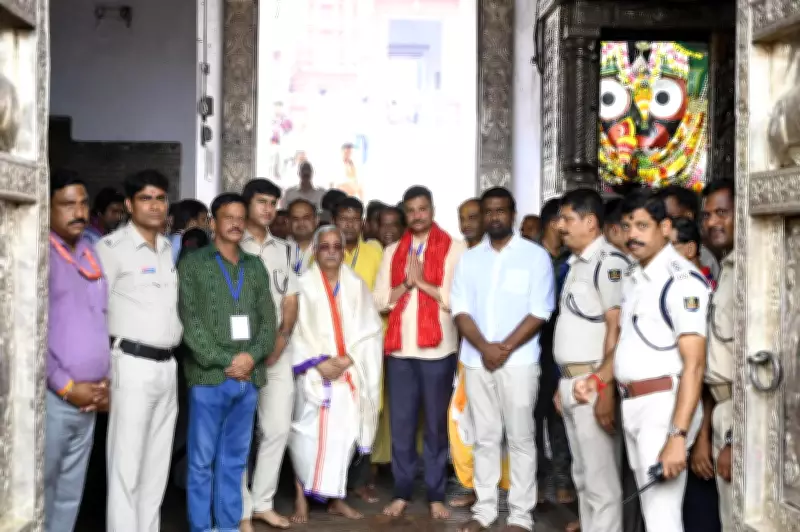
Jagannath Temple's Ratna Bhandar Inventory: A Technological Leap from 1978 to 2026
The ongoing inventory of ancient gems and jewellery in the Ratna Bhandar of Jagannath Temple in Bhubaneswar highlights a dramatic evolution in heritage management. This meticulous process, which began recently, starkly contrasts with the last audit conducted 48 years ago in 1978, showcasing how faith and innovation now converge to safeguard priceless treasures for future generations.
From Flickering Lamps to Modern Technology
According to officials from the Shree Jagannath Temple Administration (SJTA), the current inventory represents a journey from manual record-keeping to advanced, innovation-backed preservation. In 1978, servitors worked under challenging conditions, using flickering lamplight and outdated scales to weigh the treasures, which often raised doubts about accuracy. Senior servitor Jagannath Swain Mohapatra recalled, "Despite the limitations, the work was carried out with devotion and diligence. With advanced facilities now, we expect a high standard and accurate inventory of each and every article of the deities."
Fast forward to 2026, the scene inside the Ratna Bhandar has transformed. The inventory is now powered by uninterrupted electricity from generators, monitored by CCTV cameras, and enriched with cutting-edge tools like digitization, photography, videography, and 3D mapping. Cooling machines ensure comfort for the team, and a dedicated medical team stands by to support those engaged in this divine exercise.

Leadership and Divine Responsibility
SJTA's chief administrator, Arabinda Kumar Padhee, expressed humility in overseeing this historic task. He stated, "The ongoing inventory of the Ratna Bhandar is a unique opportunity. We are striving to honour the Sevayat-led heritage of record-keeping while embracing modern tools to safeguard them for posterity. I feel deeply humbled to be a part of this divine responsibility in the service of Mahaprabhu Shree Jagannath." This blend of tradition and technology aims to ensure transparency and accuracy in documenting the temple's invaluable assets.
Unprecedented Security Measures
Security for the inventory has reached unprecedented levels, reflecting the immense value of the treasures involved. Renowned sand sculptor and former member of the Jagannath Temple managing committee, Sudarsan Patnaik, who is part of the Ratna Bhandar supervisory committee, highlighted the strict protocols. He mentioned having to remove his wedding ring before entering the chamber, with all participants required to wear traditional dhotis and undergo frisking using modern gadgets.
Patnaik emphasized, "We all have taken oath before the deities to maintain complete confidentiality about the details of the inventory. The arrangements are flawless to maintain transparency." Puri SP Prateek Singh confirmed the deployment of multi-layered security, including strict access control, strike forces at key locations, and support from executive magistrates, fire services, medical teams, and anti-sabotage units to handle any contingencies.
Team Composition and Collaborative Effort
The inventory task involves about 20 dedicated individuals, ensuring a comprehensive and expert-led process. The team includes two gemologists, two goldsmiths, one Reserve Bank of India staff member, several servitors, SJTA authorities, and photographers. This collaborative effort combines traditional knowledge with professional expertise to accurately catalog every item in the Ratna Bhandar.
Singh added, "Every measure has been taken to ensure the safety of the temple's priceless treasures throughout the inventory process." This meticulous approach underscores the commitment to preserving India's cultural heritage while adapting to modern advancements.
The Ratna Bhandar inventory not only marks a significant milestone in the temple's history but also sets a benchmark for heritage management worldwide, demonstrating how technology can enhance the preservation of ancient traditions and artifacts.