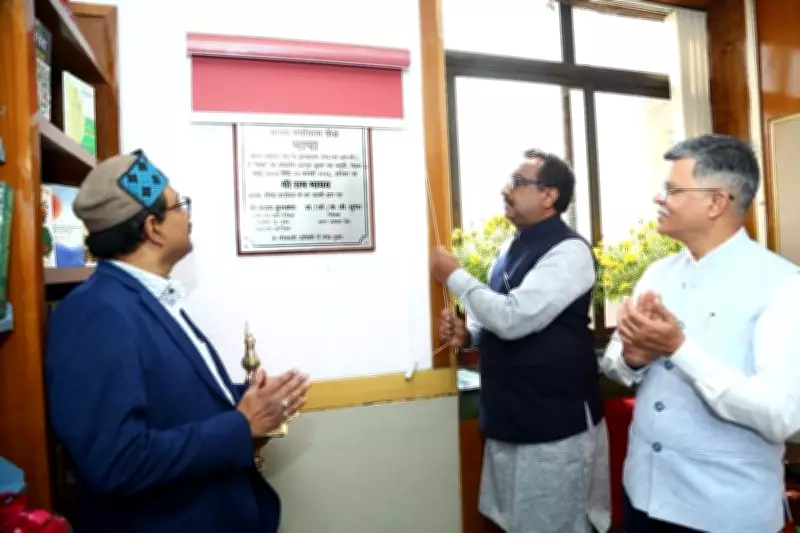
IHC Unveils 'Bhasha' Section to Honor India's Linguistic Heritage on International Mother Language Day
The Indian Heritage Centre (IHC) has taken a significant step in celebrating India's rich linguistic tapestry with the launch of 'Bhasha,' a dedicated section aimed at highlighting the country's diverse languages. This initiative was unveiled on International Mother Language Day, observed annually on February 21, to promote awareness and appreciation of linguistic heritage.
Promoting Cultural Preservation and Digital Inclusion
The 'Bhasha' section is designed to serve as a digital platform that showcases India's multitude of languages, many of which are at risk of fading into obscurity. By leveraging technology, the IHC aims to foster cultural preservation and ensure that these languages are accessible to a wider audience. This move aligns with global efforts to protect linguistic diversity and support indigenous communities.
Key features of the 'Bhasha' section include:

- Interactive displays of language histories and origins
- Audio and visual resources for learning and engagement
- Collaborations with linguistic experts and cultural organizations
- Educational programs tailored for schools and universities
Aligning with International Mother Language Day Themes
International Mother Language Day, established by UNESCO, emphasizes the importance of linguistic diversity in fostering peace and sustainable development. The IHC's launch of 'Bhasha' on this day underscores its commitment to these principles, encouraging public participation in language conservation efforts.
The initiative also addresses the challenges faced by minority languages in the digital age, where dominant languages often overshadow local dialects. By providing a dedicated space for these languages, the IHC hopes to inspire similar projects across India and beyond.
Future Prospects and Community Impact
Looking ahead, the IHC plans to expand the 'Bhasha' section with more resources and partnerships. This includes potential collaborations with tech companies to develop language-learning apps and virtual reality experiences that immerse users in different linguistic environments.
The launch has been met with positive feedback from cultural advocates and educators, who see it as a vital tool for preserving India's intangible heritage. As the project grows, it is expected to contribute to broader goals of social inclusion and cultural education, making linguistic diversity a cornerstone of national identity.