Holika Dahan 2026: Date Confusion Resolved - March 2 or March 3?
As the vibrant festival of Holi approaches in 2026, a common question arises among celebrants: Will Holika Dahan be observed on March 2 or March 3? This pre-Holi ritual, marking the burning of Holika, is steeped in ancient mythology and holds deep cultural significance. Based on astrological calculations and traditional calendars, the date for Holika Dahan in 2026 is confirmed to be March 2. This timing aligns with the Purnima Tithi (full moon day) as per the Hindu lunar calendar, ensuring adherence to religious customs.
The Mythological Essence: Prahalad's Devotion and Holika's Defeat
At the heart of Holika Dahan lies a powerful story that transcends mere celebration, embodying the triumph of good over evil. The festival commemorates the tale of Prahalad, a young devotee of Lord Vishnu, and his aunt, Holika. According to Hindu mythology, Holika, blessed with a boon that made her immune to fire, attempted to kill Prahalad by sitting with him in a pyre. However, due to Prahalad's unwavering faith and devotion, the boon reversed, leading to Holika's defeat and Prahalad's miraculous survival. This narrative not only highlights the victory of righteousness but also serves as a reminder of the protective power of true devotion.
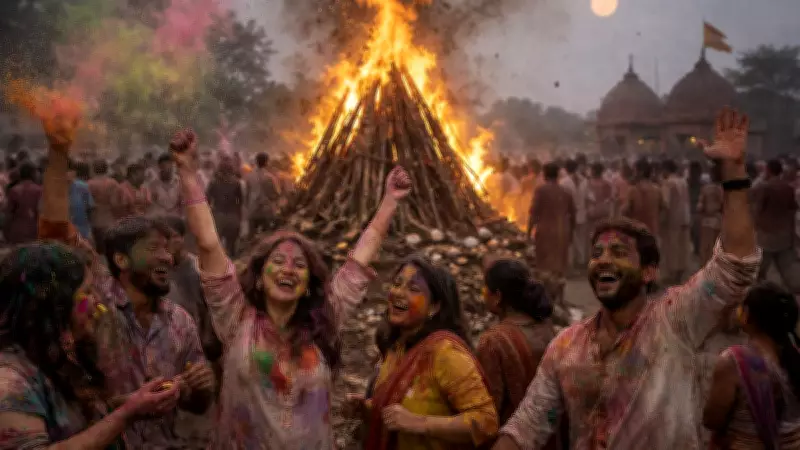
Various myths and legends surround Holika Dahan, enriching its cultural tapestry. While some regional variations exist, the core message remains consistent: the eradication of negativity and the ushering in of positivity. The burning of Holika symbolizes the destruction of evil forces, paving the way for the joyous celebrations of Holi the following day. This ritual is often accompanied by community gatherings, prayers, and the lighting of bonfires, fostering a sense of unity and spiritual renewal.

Celebrating Holika Dahan: Traditions and Significance
Holika Dahan is more than just a date on the calendar; it is a profound cultural event that sets the stage for Holi. Key traditions include:
- Gathering wood and combustible materials to build the Holika pyre, often in public spaces or temples.
- Performing puja (worship) rituals around the pyre, invoking blessings for prosperity and protection.
- Circling the fire while chanting prayers, symbolizing the purification of the soul and environment.
- Sharing sweets and festive foods among family and friends, strengthening social bonds.
The significance of Holika Dahan extends beyond religious observance, impacting social and environmental aspects. It encourages community participation, promotes values of faith and courage, and, in modern times, emphasizes eco-friendly celebrations to minimize pollution. As India prepares for Holi 2026, understanding the correct date and the story behind Holika Dahan enhances the festive experience, connecting celebrants to their heritage.
In summary, Holika Dahan in 2026 will be celebrated on March 2, rooted in the timeless tale of Prahalad and Holika. This festival not only marks a key moment in the Hindu calendar but also inspires reflection on devotion and moral victory. Whether observing through traditional rites or contemporary practices, it remains a cherished part of India's festive landscape.