Holi 2026 Date Confusion Clarified: March 4 for Festival, March 3 for Holika Dahan
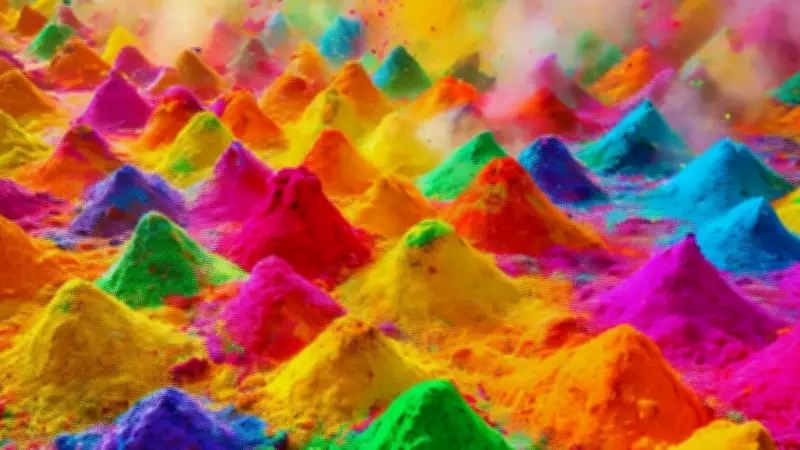
As with every year, a slight confusion surrounds the date of Holi celebrations in 2026. Is the festival being observed on March 3 or March 4? When exactly is Holika Dahan, and what causes this recurring uncertainty? Holi, one of India's most vibrant and beautiful festivals, is celebrated annually in the Hindu month of Falgun, marking the joyful onset of spring. This festival is renowned for its playful use of colours, from gulal to 'pucca rang,' as people smear hues on each other's faces in a spirit of unity and merriment.
The essence of Holi lies in its inclusivity—this childlike fervour and playfulness transcend all boundaries. It is a festival of letting loose, reliving childhood memories, embracing playfulness, and forgetting enmities to reunite as one community.
The Colourful Origins and Evolution of Holi
Some schools of thought trace Holi's beginnings to simple spring fire rituals in Vedic times. Texts like the Rigveda reference "Holaka" or purification bonfires during Phalguna (February-March), used by agrarian communities to celebrate harvests, banish winter evils, and honor spring (Vasanta). These early practices were not yet the full festival but laid the groundwork for renewal ceremonies.

By the Puranic period, mythological stories enriched the festival. The tale of Prahlad is pivotal—demon king Hiranyakashipu's son Prahlad defied him by worshipping Vishnu. His sister Holika, who had a boon making her fireproof, attempted to burn Prahlad on a pyre but perished instead, showcasing divine justice. This legend gave rise to the Holika Dahan bonfires.
Lord Krishna's association with Holi is central to many legends. His playful revelry during the festival inspired numerous folk tales. In the 16th century, Bhakti poets like Surdas wove Holi into Krishna bhajans, while Mughal rulers such as Akbar and Shah Jahan celebrated it with Hindus, as depicted in historical paintings of mixed revelry.
Holi boasts several regional variations across India. For instance, Bengal celebrates Basanta Utsav with rice-flinging, and Braj features Lathmar Holi, where women playfully hit men with sticks.
How Holi is Celebrated Across India
While Holi celebrations vary slightly by region, core traditions remain consistent. Holika Dahan is performed a day before Holi, involving the lighting of a pyre. Offerings such as ghee, cow dung cakes, and coconut are made, with prayers for family protection. The next day, Holi itself is celebrated with colours.
On Holi, the day typically begins by playing colours with idols at home or in temples, offering prasad to Kul Devta (family deities), and then venturing out to play with friends and relatives. In many parts of India, families gather in the evening to seek blessings, exchange goodwill, and share delicious food, reinforcing bonds of kinship and community.
Holi 2026: Exact Dates and Muhurta Details
This year, Holi will be celebrated on Wednesday, March 4, 2026, with Holika Dahan on Tuesday, March 3, 2026. According to Drik Panchang and Hindu scriptures, specific timings are crucial for observances.
- Purnima Tithi Begins: 05:55 PM on March 2, 2026
- Purnima Tithi Ends: 05:07 PM on March 3, 2026
- Holika Dahan Muhurta: 06:22 PM to 08:50 PM (Duration: 2 hours 28 minutes)
- Bhadra Punchha: 01:25 AM to 02:35 AM
- Bhadra Mukha: 02:35 AM to 04:30 AM
Holika Dahan should be performed during Pradosh Kaal, which starts after sunset, while Purnimasi Tithi is prevailing. Bhadra prevails during the first half of Purnimasi Tithi, and all auspicious activities should be avoided during this period to ensure proper observance.
The confusion over dates often arises from the alignment of lunar tithis with the Gregorian calendar, leading to annual discussions and clarifications. By adhering to these traditional timings, devotees can celebrate Holi 2026 with authenticity and joy, embracing its rich cultural heritage and unifying spirit.