Holi 2026: More Than a Holiday, It's a Cultural Phenomenon
Holi transcends the label of a mere holiday; it embodies a profound feeling that permeates the senses. Imagine the enticing aroma of gujiya sizzling in kitchens, the rhythmic beats of music echoing through streets, and the vibrant spectacle of colors dancing in the air. This festival transforms strangers into friends, dissolves old grudges, and heralds the true arrival of spring with unmatched exuberance.
When is Holi in 2026?
In 2026, Holi will be celebrated on March 4, with festivities commencing the night before on March 3 through Holika Dahan. This Hindu festival aligns with the full moon day (Purnima) in the month of Phalguna, marking a time of renewal and joy.
What is the Festival of Holi?
Holi, renowned as the Festival of Colors, stands as one of India's most beloved and colorful holidays. It symbolizes multiple significant themes:

- The onset of spring and the conclusion of winter
- The triumph of good over evil
- A period for forgiveness and fresh beginnings
Beyond the playful throwing of colors and energetic dancing, Holi is deeply rooted in mythology, agricultural cycles, local customs, and centuries of cultural evolution.
The Story of Holi: Why It Is Celebrated
Among the many legends, the tale of Prahlad and Holika is the most widely recognized. In ancient times, the demon king Hiranyakashipu demanded exclusive worship, but his son Prahlad remained a devout follower of Lord Vishnu. Despite numerous attempts to harm him, Prahlad's unwavering faith protected him. Hiranyakashipu enlisted his sister Holika, who possessed immunity to fire, to sit in a blaze with Prahlad on her lap. However, her power failed when used for malice, leading to her demise while Prahlad emerged unscathed. This event underscores how devotion and righteousness can conquer pride and evil, with the Holika Dahan bonfire ritual symbolizing the eradication of negativity.
Radha-Krishna and Braj ki Holi
In North India, particularly the Braj region around Mathura and Vrindavan, Holi is intricately linked to the playful love story of Krishna and Radha. Legend recounts that Krishna, noting Radha's fairer complexion, was playfully advised by his mother to color her face as he wished. This act evolved into the color-throwing tradition seen today. Celebrations here are marked by high energy, such as Lathmar Holi, where women playfully strike men with sticks, reenacting Krishna's teasing of Radha.
Holi Celebrations in History
Holi's historical significance extends beyond mythology, with references dating back to around 300 BCE in ancient texts and temple carvings. Classical Sanskrit literature and medieval poetry document its observance, and during the Mughal era, emperors like Jahangir, Akbar, and Shah Jahan celebrated Holi in royal courts, demonstrating its cross-religious appeal. Miniature paintings from this period depict nobles engaging in color play, highlighting the festival's widespread popularity across diverse communities.
What Makes Holi So Special: Its Multifaceted Meanings
Holi encompasses rich symbolism that resonates deeply:
- Good Wins Over Evil: The Holika bonfire represents the destruction of malevolence.
- Spring Celebration: It marks the end of winter and the beginning of the harvest season.
- Fairness in Society: Holi bridges social divides, with the phrase Bura na mano, Holi hai! fostering inclusivity.
- Starting Over and Forgiving: It offers a chance to mend relationships and embark on new beginnings.
How People Celebrate Holi
Holi festivities unfold in two main phases:
- Holika Dahan (The Night of the Bonfire): Communities gather to light bonfires, offering grains, coconuts, and prayers to symbolize purification and renewal.
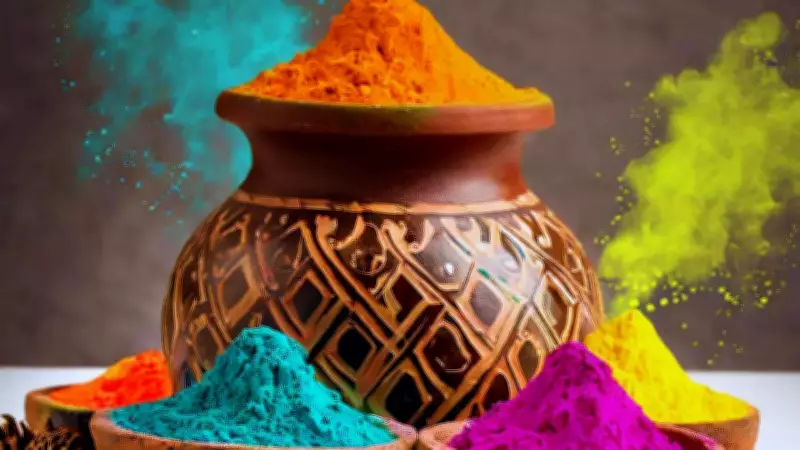
- Rangwali Holi: The following day bursts with color as people throw Gulal (colored powder), colored water, and water balloons. Streets come alive with dancing, loud music, and sharing of festive foods, with celebrations in cities like Varanasi lasting for days.
Foods Synonymous with Holi
Culinary delights are central to Holi, reflecting abundance and hospitality:

- Gujiya: Sweet dumplings filled with khoya and dried fruits.
- Thandai: A chilled milk drink infused with almonds, saffron, fennel, and sometimes bhang.
- Malpua: Deep-fried pancakes soaked in sugar syrup.
- Puran Poli: A sweet flatbread stuffed with lentils, popular in western India.
Regional Variations of Holi
Holi's celebration varies across India:
- Lathmar Holi in Barsana: Women playfully hit men with sticks.
- Dol Jatra in West Bengal: Features devotional songs and processions of Lord Krishna idols.
- Shigmo in Goa: A spring festival with folk performances and parades.
Is Holi Only Celebrated in India?
Absolutely not. Holi has gained global recognition, with celebrations in Nepal, Mauritius, Fiji, Trinidad and Tobago, the United States (through cultural festivals), and parts of Great Britain, showcasing its universal appeal.
The Deeper Spiritual Meaning of Holi
Holi offers profound spiritual lessons:
- Ego, like Holika, is destined to burn away. >Faith and goodness, akin to Prahlad, endure eternally.>With faces obscured by colors, all distinctions vanish, promoting unity.>Spring invariably follows a long, chilly winter, symbolizing hope and renewal.
This expanded exploration of Holi 2026 delves into its date, historical roots, vibrant rituals, and spiritual essence, providing a comprehensive guide to understanding why this festival remains a cornerstone of cultural heritage and joy.