Understanding Pronouns: A Guide to Gender Identity and Respectful Communication
In today's diverse society, pronouns have emerged as a crucial aspect of personal identity and respectful interaction. Moving beyond traditional binary terms like "he" and "she," the landscape of pronouns now includes a wide array of options that reflect the complexity of human gender expression. This guide delves into the significance of pronouns, offering practical advice for their use in fostering inclusivity and understanding.
The Role of Pronouns in Gender Identity
Pronouns serve as linguistic tools that refer to individuals without repeating their names, but they carry profound social and personal weight. For many people, pronouns are intimately tied to their gender identity—the internal sense of being male, female, both, neither, or somewhere along the gender spectrum. Using correct pronouns validates a person's identity and shows respect for their self-expression.
Common pronouns include:

- He/Him/His: Typically used by individuals who identify as male.
- She/Her/Hers: Typically used by individuals who identify as female.
- They/Them/Theirs: Used by non-binary individuals who do not identify exclusively as male or female, or as a singular gender-neutral option.
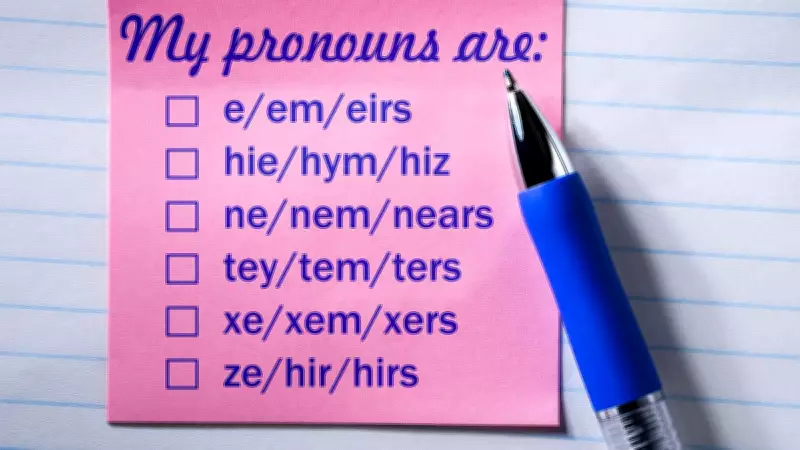
- Neopronouns: Such as Ze/Zir or Xe/Xem, created to provide alternatives beyond traditional gender binaries.
Why Pronouns Matter in Modern Communication
The importance of pronouns extends beyond grammar into the realms of social justice and mental well-being. Misgendering—using incorrect pronouns—can cause distress, alienation, and harm, particularly for transgender and non-binary individuals. In contrast, correct pronoun usage fosters a sense of belonging and safety, contributing to positive mental health outcomes.
In professional, educational, and social settings, adopting inclusive language practices demonstrates a commitment to diversity and equity. It helps create environments where everyone feels seen and valued, reducing discrimination and promoting collaboration.
Practical Tips for Using Pronouns Respectfully
Incorporating respectful pronoun use into daily life requires awareness and effort. Here are some actionable strategies:
- Normalize Sharing Pronouns: Introduce yourself with your pronouns in meetings, email signatures, or social media profiles to encourage others to do the same.
- Ask Politely: If unsure, ask, "What pronouns do you use?" in a private and respectful manner.
- Use Gender-Neutral Language: When referring to groups or unknown individuals, opt for "they" or "everyone" instead of assuming gender.
- Apologize and Correct Mistakes: If you misgender someone, apologize briefly, correct yourself, and move on without making a prolonged issue of it.
- Educate Yourself: Stay informed about evolving language and pronoun options through resources from LGBTQ+ organizations.
Challenges and Misconceptions About Pronouns
Despite growing awareness, misconceptions persist. Some argue that using "they" as a singular pronoun is grammatically incorrect, but historical usage and modern style guides support its validity. Others may view pronoun preferences as a trend, but they are rooted in long-standing identities and experiences.
Resistance often stems from lack of exposure or understanding. By engaging in open conversations and highlighting the human impact—such as reduced anxiety and increased self-esteem for those affirmed by their pronouns—these barriers can be overcome.
The Broader Impact of Inclusive Language
Embracing pronouns is part of a larger movement toward inclusive language that acknowledges diversity in gender, race, ability, and more. In India and globally, institutions are increasingly adopting policies that recognize non-binary and transgender identities, from legal documents to workplace guidelines.
This shift not only supports marginalized communities but enriches society by challenging rigid norms and encouraging empathy. As language evolves, so does our capacity for connection and respect.

In conclusion, understanding and using pronouns correctly is a simple yet powerful way to honor individual identity and promote inclusivity. By integrating these practices into our communication, we contribute to a more compassionate and equitable world.