

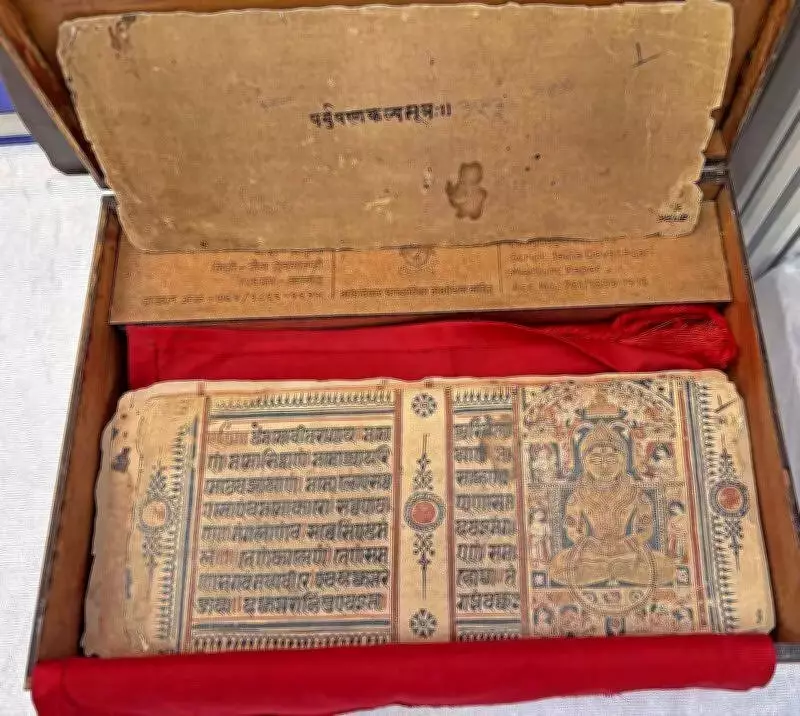
Government Launches Mission Gyan Bharatam to Digitally Preserve Historical Manuscripts
The Union Ministry of Cultural Affairs has launched an ambitious initiative under Mission Gyan Bharatam, taking responsibility for establishing a comprehensive digital repository of manuscripts of historical significance. This national project aims to safeguard India's rich cultural heritage by creating an accessible digital archive.
Public Participation Crucial for Success
In a significant move, the government has called upon citizens to actively contribute to this preservation effort by providing information about old manuscripts in their possession. Special meetings were convened in Bathinda and Faridkot districts on Wednesday to discuss the implementation of the Gyan Bharatam Mission with government officers, historians, Archaeological Survey of India (ASI) representatives, and managements of religious institutions.
How Citizens Can Contribute
Individuals possessing historical manuscripts are encouraged to visit the official website at www.gyanbharatam.com or download the dedicated Gyan Bharatam mobile application. Through these platforms, they can submit detailed information about documents in their custody. Once initial details are provided, officials from the Gyan Bharatam team will contact contributors for further information and verification.

Historical Significance of Bathinda Region
Bathinda Deputy Commissioner Rajesh Dhiman highlighted the district's rich historical landscape, noting numerous sites where valuable documents might be preserved. "Bathinda district boasts several historical places including Takht Damdama Sahib, the historically significant Qila, Haji Rattan, Maiserkhana, and many other locations of historical importance where old documents and manuscripts could potentially be found," Dhiman stated. All information gathered about these manuscripts will be systematically uploaded to the Gyan Bharatam application to build a comprehensive digital collection.
Faridkot Officials Urge Community Support
Faridkot Deputy Commissioner Punamdeep Kaur appealed to residents to actively support this national mission. "If any rare manuscripts are available with individuals or in institutions such as libraries, Gurdwara Sahibs, temples, deras, or other places, the information should be shared promptly," Kaur emphasized, underscoring the importance of community participation in preserving cultural artifacts.
Preserving National Heritage Through Collaboration
Officials from both districts stressed that public involvement is essential for the success of this important initiative. The digital repository will serve as a permanent archive of India's invaluable written heritage, making historical documents accessible to researchers, scholars, and the general public while ensuring their preservation for future generations. This collaborative approach between government agencies and citizens represents a significant step in cultural conservation efforts across the nation.






