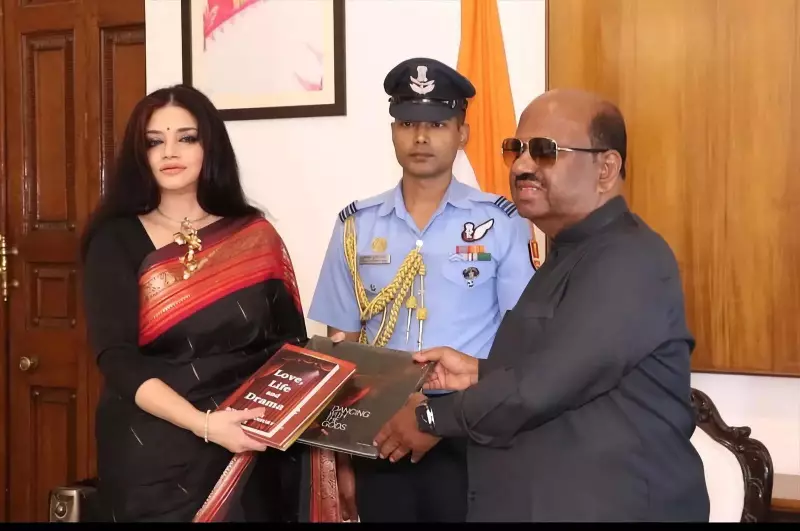
Renowned Bharatanatyam exponent and author Sohini Roychowdhury received a prestigious felicitation from West Bengal Governor Dr C V Ananda Bose at Lok Bhavan on January 24. The ceremony recognized her significant contributions to promoting Indian classical arts and cultural thought on an international platform.
Governor Praises Artistic and Philosophical Contributions
During the event, Governor Bose highlighted Roychowdhury's unique approach to Indian philosophy and mythology, emphasizing that her work extends far beyond traditional stage performances. He noted that her artistic presentations and literary works across sixteen different countries have successfully positioned classical Indian traditions within contemporary cultural and ethical dialogues.
Bharatanatyam as a Medium for Global Discourse
The Governor specifically addressed how Roychowdhury has utilized Bharatanatyam as a powerful medium to communicate complex philosophical concepts. He observed that her innovative approach has helped establish this classical dance form as a relevant participant in present-day global cultural conversations, thereby fostering greater mutual understanding and cross-cultural dialogue.

Governor Bose also spoke about the enduring relevance of Indian civilizational ideas, suggesting that Roychowdhury's work demonstrates how traditional art forms can engage with modern ethical questions while maintaining their cultural integrity.
Artist's Response: Philosophy as Lived Experience
In her response to the felicitation, Roychowdhury articulated her artistic philosophy with compelling clarity. "Indian philosophy is not meant to be archived—it is meant to be lived," she stated. "Through dance and storytelling, I have sought to share it as a way of life that reminds us of our shared humanity."
This statement encapsulates her approach to cultural transmission, emphasizing experiential learning and practical application of philosophical principles rather than mere theoretical preservation.
Literary Presence at the Ceremony
The event gained additional cultural significance with the presence of Ramadas Vallathol, the grand-nephew of celebrated poet Vallathol Narayana Menon. His attendance added a literary dimension to the occasion, creating a meaningful intersection between performing arts and literary traditions within India's cultural landscape.
The felicitation ceremony represents an important recognition of how traditional Indian art forms can serve as vehicles for cultural diplomacy and philosophical exchange in our increasingly interconnected world. Roychowdhury's work demonstrates how classical traditions can remain vibrant and relevant while engaging with contemporary global conversations about ethics, culture, and shared human values.