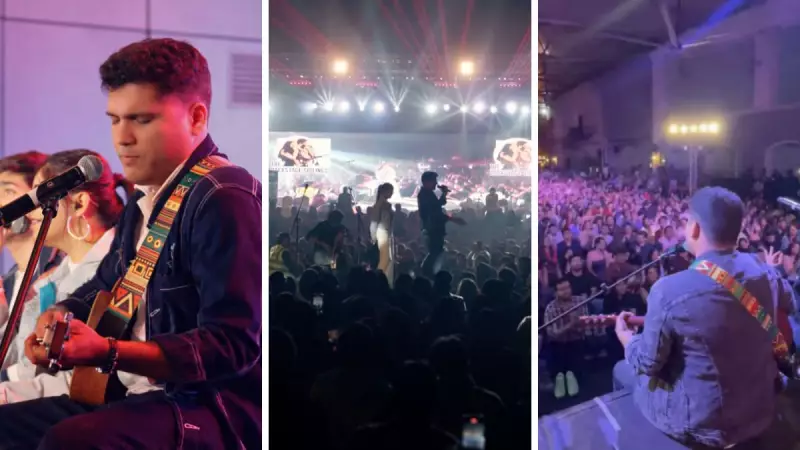
Gen Z's Unusual Party Vibe: Modi's 'Mann Ki Baat' and Bhajans Hit the Dance Floor
In a fascinating cultural shift that has taken social media by storm, India's Generation Z is redefining nightlife by incorporating Prime Minister Narendra Modi's monthly radio program, 'Mann Ki Baat', and traditional devotional songs known as bhajans into their clubbing experiences. This unexpected fusion of political discourse and party culture has sparked widespread discussion online, highlighting how young Indians are creatively engaging with national narratives in unconventional settings.
The Viral Phenomenon Sweeping Social Platforms
Videos and posts showcasing this trend have gone viral across platforms like Instagram, TikTok, and X (formerly Twitter), where users share clips of crowded dance floors pulsating to audio excerpts from 'Mann Ki Baat' episodes. The beats are often remixed with electronic music, creating a unique soundtrack that blends the Prime Minister's voice with thumping basslines. Simultaneously, bhajans—typically associated with spiritual or religious contexts—are being played in clubs, with revelers dancing energetically to these traditional tunes.
This movement reflects a broader trend among Gen Z, who are known for their ironic and meme-driven approach to content. By mixing serious political communication with the frivolity of party scenes, they are creating a form of social commentary that is both humorous and thought-provoking. Observers note that it demonstrates how digital natives consume and reinterpret media in ways that blur the lines between entertainment, politics, and culture.

Cultural Implications and Public Reactions
The trend has elicited mixed reactions from various segments of society. Some view it as a lighthearted way for youth to connect with national issues, potentially increasing engagement with PM Modi's messages among a demographic that might otherwise tune out political content. Others, however, criticize it as disrespectful or trivializing, arguing that it undermines the solemnity of bhajans and the gravitas of official communications.
From a cultural perspective, this phenomenon underscores the evolving nature of Indian youth culture, where traditional and modern elements are increasingly interwoven. It also highlights the power of social media in amplifying niche trends to mainstream awareness. As clubs in metropolitan areas like Mumbai, Delhi, and Bangalore reportedly adopt this playlist, it raises questions about how entertainment venues are adapting to the preferences of younger patrons.
Broader Context and Future Outlook
This is not the first time Gen Z has repurposed political or cultural content for entertainment; similar trends have been seen globally with memes and remixes. In India, it aligns with a growing digital landscape where content is constantly remixed and shared virally. The trend may influence how political leaders and cultural institutions engage with younger audiences, potentially leading to more interactive or youth-focused initiatives.
Looking ahead, experts suggest that such trends could shape future media consumption patterns, encouraging more hybrid forms of content that bridge gaps between different spheres of life. Whether this clubbing trend will sustain or fade remains to be seen, but for now, it has certainly captured the imagination of many, proving that in today's fast-paced digital world, even the most unexpected combinations can become the next big thing.