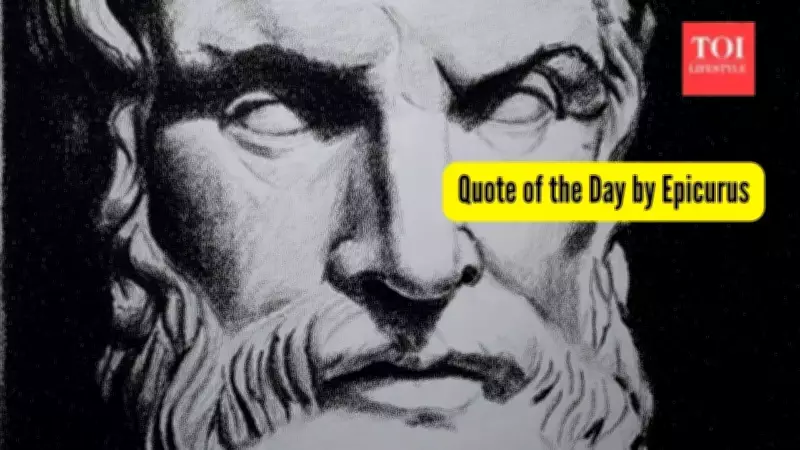
Epicurus: The Greek Philosopher Whose Wisdom on Happiness Endures
Epicurus, the renowned Greek philosopher born in 341 BCE on the island of Samos, crafted a philosophy centered on happiness, pleasure, and fear that continues to resonate profoundly in the modern era. Living during a period of political instability and uncertainty in the Greek world, where empires rose and fell and traditional beliefs were questioned, Epicurus developed a pragmatic and straightforward approach aimed at helping ordinary individuals achieve tranquility.
The True Essence of Epicureanism
Often misunderstood as advocating for excess and indulgence, Epicureanism actually promotes the opposite. Epicurus believed that the ultimate goal of life is happiness, derived from pleasure—but not the fleeting pleasures of luxury or constant entertainment. Instead, he emphasized that true pleasure arises from the absence of pain in the body (aponia) and trouble in the mind (ataraxia). For Epicurus, a peaceful and contented life held greater value than wealth, fame, or power.
Confronting Fear: The Greatest Obstacle to Happiness
One of the core tenets of Epicurus's philosophy is that fear is the primary enemy of happiness. He identified two major sources of human suffering: the fear of the gods and the fear of death. Epicurus argued that if gods exist, they reside in perfect peace and have no interest in punishing or rewarding humans, challenging the prevalent belief that disasters were divine punishments. By dispelling fear of angry deities, he aimed to free people from constant anxiety.

His views on death were equally radical. Epicurus famously stated that "death means nothing to us," reasoning that since all experiences depend on sensation and death is the absence of sensation, there is nothing to fear. He encapsulated this idea with the logical assertion: "When we are alive, death is not there, and when death is there, we are not alive." This perspective was designed to liberate individuals from fear, allowing them to focus on thriving in the present.
Desires and Simplicity: The Path to Freedom
Epicurus encouraged careful reflection on desires, categorizing them into three types:
- Natural and essential: Such as food, shelter, and companionship.
- Natural but non-essential: Like indulgent foods.
- Neither natural nor essential: Including fame and power.
He believed that happiness stems from fulfilling the first category while exercising caution with the others. Pursuing unnecessary desires often leads to frustration, competition, and anxiety. For Epicurus, living simply and meeting basic needs was not a sacrifice but a form of freedom.
Epicurus's Life and Legacy
Epicurus practiced what he preached, leading a modest life with simple meals and avoiding political involvement. After studying philosophy in various Greek cities, he moved to Athens around 306 BCE, where he established his school. There, he dedicated his life to teaching, writing letters, and refining his thoughts. Although much of his work is lost, his ideas survive through letters, fragments, and later writings.
He died in 270 BCE from a painful illness, likely kidney stones, yet reports indicate he remained calm and composed, demonstrating his belief in mental peace over physical pain. His followers spread Epicureanism, making it a significant school of thought in the ancient world. Despite criticism from religious thinkers, Epicurus's emphasis on simplicity, clear thinking, and friendship has endured.
The Enduring Relevance of Friendship
Epicurus placed immense value on friendship, considering it a crucial source of happiness and security. In his work A Guide to Happiness, he wrote: "Of all the means to insure happiness throughout the whole life, by far the most important is the acquisition of friends." He viewed true friendship as rare and a perennial source of joy, integral to his philosophy.

In today's world, filled with anxiety and endless desires, Epicurus's message remains clear: happiness does not come from accumulating more but from needing less and understanding what truly matters. His insights into fear, desire, and companionship offer a quiet yet powerful antidote to the stresses of both ancient and modern life.