Digital Age Dilemma: Are Indian Students Losing Cultural Roots or Reinventing Them?
TOI Lifestyle Desk / ETimes.in / Jan 22, 2026, 22:49 IST
In today's educational landscape, smartphones, tablets, and smart boards have become as common as school bags. While students learn rapidly and connect globally through these digital tools, a pressing concern lingers in homes and classrooms across India. Is the digital rush weakening our cultural foundations, or is it merely reshaping them? The reality is nuanced, requiring a deeper examination beyond surface-level fears.
Screens Transform Habits, But Core Values Endure
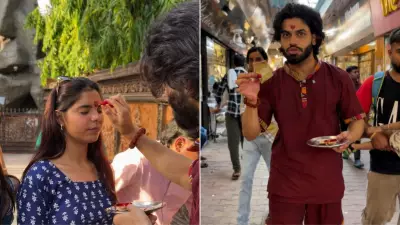
Daily routines have undeniably shifted. Evening play has migrated from courtyards to online gaming platforms, and family storytelling now competes with short-form video content. However, cultural values prove resilient. Many students continue to actively participate in festivals, uphold food customs, and observe family rituals, often sharing these experiences digitally. During festive seasons, school students frequently post reels celebrating regional festivals in local languages, demonstrating that while habits evolve, the essence of tradition persists.

Language Evolution: A Mixed Picture of Loss and Revival
Parents commonly observe children incorporating English words into home conversations, sparking concerns about linguistic erosion. Yet the situation is more complex. Schools are responding by establishing after-school local language clubs, and under the National Education Policy (NEP) 2020, students are encouraged to learn at least three languages. While comfort with mother tongues might appear diminished, genuine interest emerges when educational spaces actively foster it.
Cultural Expression Finds New Digital Platforms
Traditional arts like dance and music, once confined to physical stages, now travel globally through smartphones. Throughout the academic year, students from small towns gain viral recognition for folk dance performances or school event showcases on social media. These digital clips reach millions, preserving ancient steps on modern platforms. Rather than fading, culture discovers amplified voices and innovative mediums.
Global Content Sparks Curiosity Without Erasing Identity
Today's students consume Korean dramas, Japanese anime, and international sports, raising understandable parental concerns. However, exposure does not inherently equate to replacement. Many learners engage in cultural comparisons and ask insightful questions. Contemporary school projects frequently integrate global and local cultural elements side by side, fostering pride rather than distance when properly guided.
The Silent Yet Powerful Role of Educational Institutions
Schools that creatively connect curriculum to local heritage observe stronger student engagement. Examples include educational neighborhood walks or visits to historical sites within cities and towns to teach history and art. When educational institutions take leadership in cultural preservation, students follow with genuine interest and participation.
Families Remain the Bedrock of Cultural Memory
No digital application can replicate lived experiences. Cooking together, festival preparations, and bedtime stories continue to leave profound impressions. Even in this digital era, students remember rituals they actively practice, not merely observe. While digital life accelerates, family spaces provide essential deceleration, making this balance more critical than screen time metrics alone.
Ultimately, Indian students are not losing touch with their cultural heritage; they are engaging with it differently. The true risk lies not in technology itself, but in the absence of thoughtful guidance. When homes and schools remain actively involved, culture not only survives but potentially grows stronger through modern adaptations.
Disclaimer: This analysis draws upon observed social trends, media reports, and contemporary educational practices. It does not claim to represent every individual child or school experience.