Diaspora Parent's Return to India Reveals Unexpected Emotional Disconnect
For countless members of the Indian diaspora, the journey back home after years overseas is typically envisioned as a profoundly emotional reunion. This pilgrimage is traditionally centered around reconnecting with cherished food, beloved family members, and comforting familiarity. The overwhelming nostalgia is supposed to trigger deep emotions, making any minor inconveniences feel insignificant in comparison.
A Trip That Delivered Clarity Instead of Comfort
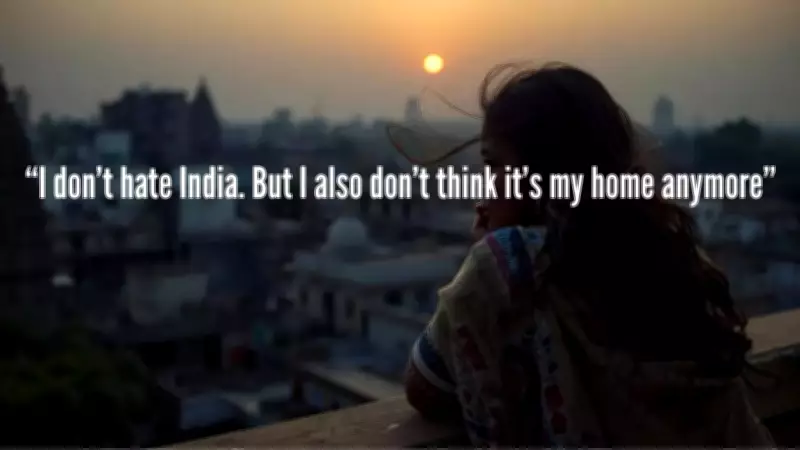
However, not every returning traveler experiences this idealized homecoming. After residing overseas for more than sixteen years, one parent recently returned to India with their two children and shared a strikingly different perspective. What was intended as a journey to reconnect with roots instead delivered unexpected clarity. Posting in a Reddit discussion forum, the traveler revealed: "I don't hate India. But I also don't think it's my home anymore."
This conclusion wasn't shaped by any single negative experience but emerged from a complex accumulation of observations and feelings. The individual explained, "I've lived outside India for 16+ years. This trip made something very clear: I don't think I can ever move back." During the visit, they experienced unexpected waves of anger and resentment directed toward the environment, systemic structures, and occasionally even toward loved ones.

Cultural and Social Challenges Faced
The returning diaspora member described several specific areas of discomfort that contributed to their emotional realization:
- Daily Social Behavior: Struggling with perceived constant shouting, line-cutting, and emotional volatility in public spaces. "I especially struggled watching how husbands treat their wives and how casually men treat women in general," they noted, adding that raising two boys heightened this discomfort.
- Dependence on Domestic Help: Feeling uneasy about the normalized reliance on domestic assistance and informal labor. "Nothing feels autonomous. Every small task needs multiple people," they observed, while acknowledging this creates employment opportunities.
- Traffic and Urban Environment: Finding the driving culture mentally exhausting with its lack of rules, unpredictability, and constant honking. Pollution, dust, and mosquitoes added physical strain, resulting in persistent cold, cough, and breathing issues throughout the trip.
Complicated Relationships with Food and Emotional Expressions
Even food, typically one of India's strongest emotional anchors, presented complications. While convenience apps like Swiggy and Zepto impressed with their speed, quality sometimes disappointed. The traveler paid 170 rupees for a small box of strawberries only to find stale pieces mixed in. Maintaining balanced nutrition proved surprisingly difficult, with heavy carbohydrates, butter, and ghee dominating many meal options.
The individual also described what they termed "emotional performativeness" - expressions of care that sometimes felt exaggerated or hollow. "A lot of people play with feelings and emotions, showing care without actually caring. It felt draining," they wrote.
Systemic Frustrations and Domestic Habits
Small domestic habits became symbolic of larger differences. Clutter, hoarding tendencies, and an inability to discard unused items contrasted with the traveler's current lifestyle preferences. As someone who no longer identifies as highly social, the constant expectation to attend gatherings and engage in extended family interactions proved exhausting.
Systemic issues added another layer of frustration. The Redditor described an eight-year struggle to transfer 30,000 rupees from a dormant bank account, encountering endless bureaucratic loops with no accountability. Insurance claims felt similarly circular and frustrating.
Even public infrastructure left mixed feelings. Paying to use public toilets via cash or UPI payments didn't guarantee cleanliness, creating conflicting emotions about whether to be upset about the payment or grateful for digital payment acceptance.

Acknowledging Positives While Confronting Reality
The traveler acknowledged India's positive aspects, including family connections, cultural richness, familiarity, the ease of finding help, and the joy of watching children bond with grandparents. None of these meaningful elements were dismissed or minimized.
However, the cumulative weight of challenges felt heavier this time. "The sensory overload, the impact on my health, the emotional exhaustion, and the values mismatch in how I want to live and raise my kids," they explained. Rather than triggering nostalgia, the trip offered a new perspective on personal evolution and changing identities.
Widespread Resonance and Lasting Realizations
The Reddit post resonated widely online, sparking discussions about the complex realities of returning home after extended periods abroad. For this traveler, the visit provided unexpected perspective, concluding with the repeated realization: "I don't hate India. But I also don't think it's my home anymore."
Sometimes, as the experience demonstrates, the most lasting souvenirs from a journey aren't physical items carried home but the quiet internal changes that occur when confronting versions of oneself that no longer fit familiar environments. The trip served as a mirror reflecting how sixteen years of living abroad had fundamentally transformed personal values, expectations, and emotional connections to what was once considered home.