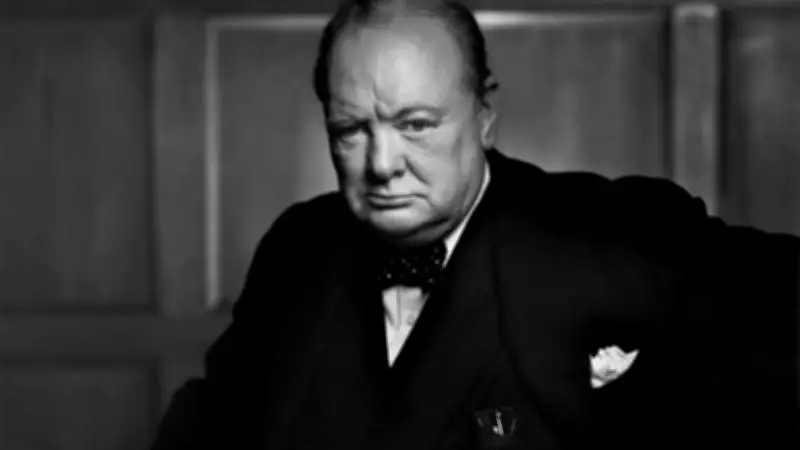
Winston Churchill's Timeless Quote: Simple Words with Profound Impact on Society
Some ideas possess an enduring quality that transcends generations, remaining relevant and helpful in daily life long after their conception. Winston Churchill, the British leader renowned for his powerful oratory during challenging historical periods, articulated one such enduring idea. His famous quote, "All the greatest things are simple, and many can be expressed in a single word: freedom; justice; honour; duty; mercy; hope," encapsulates his belief that life's most crucial values are often the most straightforward to comprehend.
The Depth Behind the Simplicity
While Churchill's statement appears concise and uncomplicated, it carries substantial philosophical weight. Each term within the quote represents a fundamental value that profoundly influences human behavior and societal structures. These concepts are not abstract or inaccessible; rather, they form the basic principles that guide daily actions, often unconsciously. This quotation illuminates how straightforward ideas can mold historical events, personal decisions, and interpersonal relationships.
Decoding the Meaning of Churchill's Words
The essence of Winston Churchill's statement revolves around the power of simplicity. It suggests that significant concepts do not always require elaborate explanations. Words like freedom, justice, and hope might be easy to articulate, yet they symbolize intricate systems and complex emotions.

Each word in the quotation stands as a distinct pillar:
- Freedom signifies the ability to live without unnecessary control or limitations.
- Justice represents fairness and equal treatment for all individuals.
- Honour embodies honesty and respectful conduct toward others.
- Duty denotes responsibility toward people or causes.
- Mercy involves kindness and forgiveness.
- Hope means maintaining belief in a better future.
These seemingly simple terms form the foundation of legal systems, social organizations, and human interactions.
Historical Context and Churchill's Life
To fully appreciate the quote's significance, understanding its origin is essential. Winston Churchill served as Prime Minister of the United Kingdom during World War II, a period marked by widespread conflict, uncertainty, and fear. His speeches frequently centered on robust, clear ideas, using straightforward language to provide reassurance and foster unity during difficult times.
The values highlighted in the quotation were not merely theoretical; they served as guiding principles for decision-making during the war. For instance, freedom and justice were central to the conflict's narrative, while hope and duty motivated perseverance through adversity.
The Importance of Simplicity in Influential Concepts
Churchill's quote underscores a critical point: simple ideas are more accessible and memorable. Concepts that are easy to grasp can resonate with broader audiences. While a detailed explanation of justice might require legal expertise, most people intuitively understand the word "justice," enabling cross-cultural comprehension.
Using plain language also facilitates clearer communication. Leaders, educators, and thinkers often employ simple terms to discuss complex subjects, ensuring messages remain transparent and comprehensible.
How These Values Shape Daily Existence
The principles in Churchill's quote extend beyond historical or political contexts; they permeate everyday life. People seek justice in educational institutions, workplaces, and communities. Duty manifests through responsibilities at home and in professional settings. Mercy appears in acts of kindness and forgiveness, while hope assists individuals in navigating challenges.
These values influence decisions, behaviors, and relationships. Even minor actions, such as assisting someone or advocating for fairness, reflect these foundational principles.

Freedom and Justice in Societal Frameworks
Freedom and justice are frequently discussed in social and political discourses. Numerous constitutions and legal systems worldwide incorporate these values. Freedom allows individuals to express opinions, make autonomous choices, and live according to personal principles. Justice ensures laws are applied equitably and rights are safeguarded.
These concepts are interconnected: freedom can become oppressive without justice, and justice may lack meaning without freedom. Together, they contribute to societal stability.
Honour and Duty in Personal Behavior
Values like honour and duty relate closely to individual conduct. Honour requires integrity and ethical actions, while duty involves fulfilling obligations. These ideas are often associated with professions such as military service, healthcare, and public administration, but they also apply to daily life.
Completing tasks punctually, assisting family members, and keeping promises exemplify duty. Honour is demonstrated through honesty and respectfulness.
Mercy and Hope in Human Connections
The quote's emotional dimension emerges through mercy and hope. Mercy entails compassion toward others, even when unnecessary, while hope involves maintaining optimism. Mercy is vital for resolving conflicts, enabling people to move beyond past grievances. Hope fosters positivity during hardships, supporting mental resilience and strength.
Why Churchill's Quote Remains Relevant Today
Despite its age, this quotation retains contemporary significance. Modern societies still rely on these core principles. Global conversations continue to address freedom, justice, and equality. Individuals depend on hope amid uncertainty and perform merciful and dutiful acts regularly.
The quote's simplicity allows versatile application across various contexts, independent of specific times or locations.
Other Notable Churchill Quotations
- "Never, never, never give up."
- "If you’re going through hell, keep going."
- "Attitude is a little thing that makes a big difference."
- "Politics is the ability to foretell what is going to happen tomorrow, next week, next month and next year. And to have the ability afterwards to explain why it didn’t happen."
- "When the eagles are silent, the parrots begin to jabber."
The Lasting Impact of Simple Language
A key takeaway from Churchill's quote is the enduring power of simple words. Terms like "hope" and "freedom" are universally recognized and frequently used in speeches, literature, and everyday dialogue. Their simplicity makes them easy to recall and share, fostering collective understanding over time and shaping perspectives on important matters.
Examining Communication Style
Churchill's communication approach significantly influenced how his ideas were received. He avoided overly complex language, prioritizing clarity and repetition. This method remains prevalent in media, education, and public speaking today. Clear communication broadens reach, as exemplified by this quote's use of concise terms rather than lengthy explanations.
The Universality of These Values
The words in the quotation are not confined to any single culture or nation. Concepts of duty, hope, and justice appear across diverse global cultures. Many religious and philosophical traditions emphasize kindness, fairness, and responsibility, indicating widespread agreement on these values. Consequently, people from various backgrounds can comprehend the quote without requiring specific knowledge or context.
Interpreting the Quote in the Modern Era
In today's fast-paced world, information is often complex and voluminous. Yet, simple ideas remain crucial. People frequently seek clear, direct messages, explaining why quotations like Churchill's continue to circulate. They help distill overwhelming information into manageable insights.
The quote serves as a reminder that essential values need not be expressed convolutedly; simple words can still create significant impact.
Final Reflections on Churchill's Wisdom
Winston Churchill's quotation emphasizes simplicity's role in powerful ideas. Words like freedom, justice, honour, duty, mercy, and hope may appear basic, but they harbor profound meanings. These values are integral to daily life, continually shaping societies and individuals. The quote demonstrates how simple language can represent complex notions while remaining widely understandable. By focusing on clarity and essential principles, it stays relevant, illustrating how language can be simultaneously simple and meaningful.