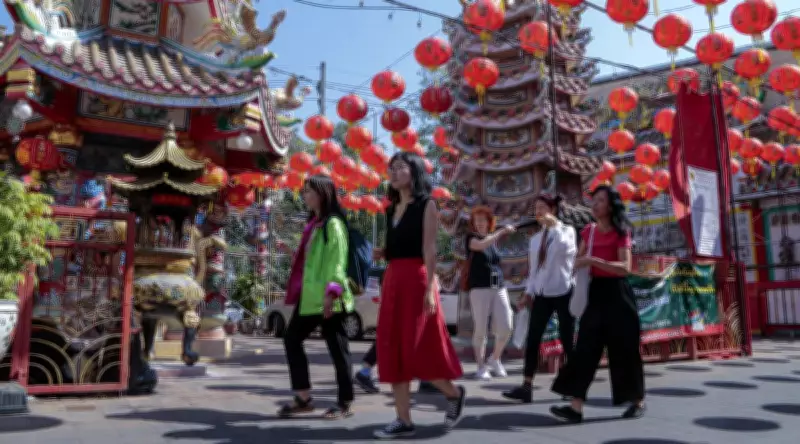
Chinese New Year 2026: A Comprehensive Guide to the Fire Horse Year
Chinese New Year 2026, widely celebrated as the Spring Festival, is a pivotal cultural event for Chinese and East Asian communities across the globe. This festival heralds the start of a new year based on the traditional lunisolar Chinese calendar, with festivities unfolding over 15 vibrant days. In 2026, the excitement centers on the Year of the Fire Horse, a period rich in symbolism and tradition.
Key Dates and the Animal of the Year
The Lunar New Year 2026 is scheduled to commence on Tuesday, February 17, and will conclude on Tuesday, March 3 with the Lantern Festival, which celebrates the first full moon of the new lunar cycle. Known for its variable dates, typically falling between January 21 and February 20, this festival aligns with the new moon, emphasizing renewal and fresh beginnings.
This year, the Year of the Fire Horse takes over from the Year of the Wood Snake in 2025. It will span from February 17, 2026, to February 5, 2027, when the Year of the Fire Goat begins. The Fire Horse is associated with energy, passion, and dynamism, making 2026 a year anticipated for bold actions and transformations.

Mythological Significance and Historical Roots
The origins of Chinese New Year trace back to an ancient legend involving Nian, a fearsome sea monster with sharp teeth and horns. According to folklore, Nian would emerge on Lunar New Year's Eve to wreak havoc and terrorize villages. To ward off this creature, villagers discovered that Nian was afraid of the color red and loud noises.
They began decorating their homes with red items and setting off firecrackers, traditions that have endured for centuries. Today, these customs are integral to the celebrations, often manifested in spectacular fireworks displays that light up the sky, symbolizing the triumph of good over evil and the ushering in of prosperity.
Celebrations and Traditions
The Spring Festival is fundamentally a family-oriented occasion, emphasizing reunion and togetherness. Key celebrations include:
- Reunion Dinners: Families gather for lavish meals featuring traditional dishes such as dumplings, rice cakes, and fish, which symbolize wealth and abundance.
- Parades and Performances: Vibrant parades with dragon and lion dances, along with cultural performances, are common in many communities, showcasing artistic heritage.
- Lantern Festival: The festivities culminate with the Lantern Festival on March 3, where people release lanterns into the sky, enjoy sweet rice balls, and participate in light displays, marking the end of the holiday period.
Globally, the festival has gained significant attention, with search trends for 'Chinese New Year' rising on platforms like Google, reflecting its widespread appeal and cultural impact.
As 2026 approaches, the Year of the Fire Horse promises to be a time of fervent celebration, blending ancient myths with modern joyous gatherings, uniting people in a shared spirit of hope and renewal.