China's Gen Z Women Embrace 'Doll Parenting' as Alternative to Traditional Motherhood
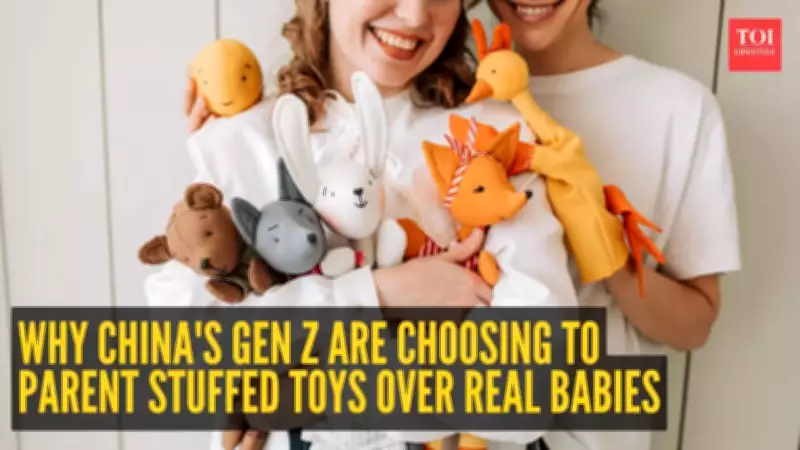
Imagine celebrating your child's birthday at an upscale hotpot restaurant, dressing them in designer outfits, and taking them for leisurely sunbathing strolls. This scenario might sound unconventional, but in China, a growing number of young Gen Z women are living this dream with cotton dolls—life-sized stuffed toys they are raising as their own children. According to reports from the South China Morning Post, this emerging trend of "painless parenthood" allows women to experience the warmth of motherhood without facing career pauses, financial burdens, or societal expectations.
The Viral Hotpot Birthday Incident
In October 2023, a Chinese woman entered a Haidilao restaurant, one of China's renowned hotpot chains known for exceptional service, while cradling her cherished cotton doll. She requested a baby chair for her "child's" birthday celebration, but the restaurant staff appeared confused and hesitant. The woman reported receiving puzzled stares, missed orders, no water refills, and a refusal to sing the customary birthday song. Outraged by this treatment, she posted her experience online, questioning whether Haidilao was discriminating against doll owners.
This incident ignited a massive online debate, with comments ranging from accusations of "doll bias" to criticisms labeling the practice as absurd. The controversy brought significant attention to a previously hidden subculture flourishing among China's young women, highlighting their unique approach to adulthood and family life.

From K-Pop Fandom to Doll Mania
The origins of this craze can be traced back to 2015, when fans of the K-pop group EXO smuggled a doll inspired by member Chen (Kim Jong-dae) into one of his concerts. This event sparked widespread interest across Asian fandom communities, leading to the rapid proliferation of custom idol dolls. By 2018, China's doll market had evolved into two distinct categories:
- "Attributed" Dolls: These are modeled after real celebrities, anime characters, or K-pop stars, allowing fans to connect with their idols in a tangible way.
- "Non-Attributed" Dolls: Created purely from designer imagination, these dolls represent idealized versions of children, offering a personalized "dream baby" experience.
Women who adopt these dolls, often referred to as "doll mums" or "mummies," treat the waiting period for doll delivery as akin to pregnancy, with unboxing day evoking the drama of a delivery room. Once the doll arrives, the real parenting journey begins.
The Intricacies of Doll Parenting
Acquiring the doll is merely the first step in this unique parenting experience. Doll mums engage in a variety of nurturing activities, including:
- Spending hours styling wigs to achieve perfect beach waves or sleek updos.
- Conducting miniature makeup sessions, applying eyeliner that rivals human precision.
- Searching for designer wardrobes, often raiding children's sections at stores like H&M.
- Organizing extensive photo shoots to create Instagram-ready family portraits.
- Embarking on outdoor adventures such as park walks, café dates, and even sunbathing excursions.
As one doll mum explained, "It's motherhood without the mess." This approach eliminates midnight feedings, colic cries, and future college tuition worries, offering cuddles and companionship on demand.
Why Young Chinese Women Prefer Dolls Over Diapers
Several societal factors are driving this trend among China's young women. Skyrocketing housing costs, the demanding "996" work culture (9 a.m. to 9 p.m., six days a week), and the stigma of being labeled "leftover women" by age 27 make real motherhood appear as career suicide for many. In contrast, doll parenting provides:

- Emotional fulfillment: Nurturing these dolls can help heal inner child wounds and offer a sense of purpose.
- Zero judgment: There is no pressure from in-laws or society about timelines for having children.
- Creative freedom: Women can design their perfect companion, tailoring every aspect to their preferences.
- Affordable love: Dolls typically cost between $200 and $800, whereas raising a child to age 18 in China can exceed $250,000.
This has led to a significant market boom, with platforms like Taobao listing thousands of custom dolls. Expectant "mums" often refresh shipping tracking obsessively, and birthday parties for dolls at restaurants like Haidilao have become increasingly common.
Addressing Criticism and Understanding the Deeper Truth
Critics of doll parenting often dismiss it as "childish escapism," arguing that it avoids the responsibilities of real adulthood. However, psychologists view this trend as a form of emotional healing. In a society that demands perfection—whether in careers, marriages, or parenting—dolls offer a safe space for nurturing without the risk of failure. They provide a source of pure, unconditional love in a high-pressure environment.
China's doll mums are not delaying adulthood; they are actively redefining it. When traditional motherhood feels like a trap laden with expectations and sacrifices, choosing a cotton baby that never grows up, never rebels, and always aligns with one's dreams becomes an appealing alternative. This trend reflects broader shifts in how young women navigate personal fulfillment amidst societal constraints.