Chaitra Navratri 2026: Dates and Kalash Sthapana Muhurat Revealed
The auspicious festival of Chaitra Navratri in 2026 is set to commence on March 18, 2026, as per the Hindu lunar calendar. This nine-day celebration, dedicated to Goddess Durga, heralds the beginning of the Hindu New Year and is observed with great devotion across India and by Hindu communities worldwide.
Kalash Sthapana Muhurat for Navratri 2026
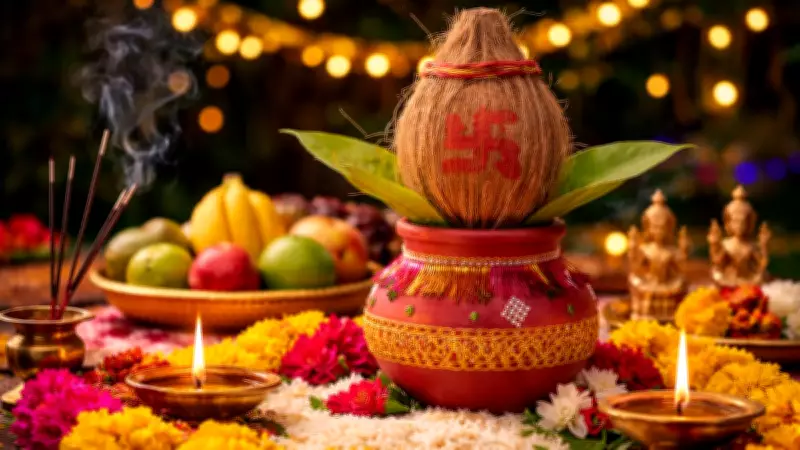
The pivotal ritual of Kalash Sthapana, which involves installing a sacred pot to invoke divine energy, is scheduled for the morning of March 18, 2026. Devotees perform this ceremony during the Abhijit Muhurat, an auspicious time window considered highly favorable for spiritual activities. It is essential to consult local priests or Panchang for precise timings, as they may vary slightly based on geographical location.
Significance and Observances of Chaitra Navratri
Chaitra Navratri holds profound religious and cultural importance:

- Worship of Goddess Durga: Each day is dedicated to a different form of the goddess, with prayers, fasting, and rituals to seek blessings for health, prosperity, and protection.
- Start of Hindu New Year: The festival coincides with the first month of the Hindu calendar, Chaitra, symbolizing renewal and new beginnings.
- Spiritual Practices: Devotees engage in meditation, recitation of scriptures, and community gatherings to enhance spiritual growth.
During Navratri, many observe fasts, abstain from non-vegetarian food and alcohol, and participate in nightly Garba or Dandiya dances in some regions. The festival culminates with Ram Navami on the ninth day, celebrating the birth of Lord Rama.
Preparation and Celebrations Across India
In preparation for Chaitra Navratri 2026, households and temples undergo thorough cleaning and decoration. Key aspects include:
- Home Altars: Setting up altars with idols or images of Goddess Durga, adorned with flowers and lights.
- Fasting Rules: Many follow strict dietary regimens, consuming fruits, milk, and specific grains, while avoiding onions and garlic.
- Regional Variations: Celebrations vary, with grand processions in North India and traditional rituals in South India, reflecting the diversity of Hindu traditions.
As the dates are now confirmed, devotees can plan their observances well in advance, ensuring a spiritually enriching experience during this sacred period.