Chaitra Navratri 2026: Traditional Bhog Offerings to Nine Avatars of Goddess Durga
The sacred festival of Chaitra Navratri commences on March 19, 2026, and concludes on March 27, marking nine days of devout worship dedicated to the nine divine avatars of Goddess Durga. During this auspicious period, devotees engage in rituals such as offering bhog (sacred food), performing aarti, and chanting mantras to invoke blessings for happiness, wealth, and prosperity in their lives. This festival not only strengthens spiritual devotion but also fosters a profound sense of community and cultural identity, celebrated with vibrant dance, music, and diverse local traditions that highlight India's rich cultural tapestry.
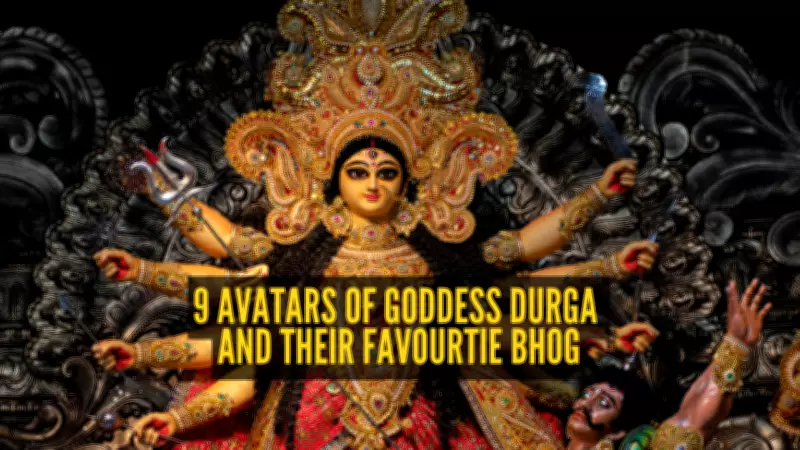
According to religious experts and historians, each avatar of Maa Durga is associated with a specific type of bhog, considered her favorite food or ingredient. These offerings are believed to bring divine favor and address various life challenges. Below is a detailed guide to the nine avatars and their corresponding bhog offerings for Chaitra Navratri 2026.
Day 1: Goddess Shailputri
Goddess Shailputri, the first manifestation of Goddess Durga, is depicted holding a Trishul in one hand and a lotus in the other, riding a bull named Nandi. Devotees offer pure ghee to her, a practice believed to bestow a life free from diseases and illness, promoting overall well-being and vitality.

Day 2: Goddess Brahmacharini
Dedicated to Goddess Brahmacharini, who walks barefoot with a rudraksh mala in one hand and a sacred Kamandalu in the other, this day involves offering sugar. This bhog is thought to grant longevity and a sweet, harmonious life to those who worship her with sincerity.
Day 3: Goddess Chandraghanta
The third day honors Goddess Chandraghanta, a fierce ten-armed deity adorned with a crescent moon on her forehead. Offering kheer (a traditional rice pudding) to her is recommended, as it is believed to alleviate all pains and sorrows, bringing comfort and relief to devotees.
Day 4: Goddess Kushmanda
Chaturthi, the fourth day, is dedicated to Devi Kushmanda, whose name signifies the creator of the universe. Offering malpua (a sweet pancake) to Maa Kushmanda is said to enhance intellect and decision-making abilities, empowering worshippers with clarity and wisdom.
Day 5: Goddess Skandamata
Goddess Skandamata, a four-armed deity carrying a lotus, Kamandalu, and a bell, is worshipped on the fifth day. Historians note that banana is her favorite fruit, and offering it is believed to bring maternal blessings and protection to families.
Day 6: Goddess Katyayani
The sixth day is devoted to Goddess Katyayani, a violent form of Shakti with four arms wielding a sword. Offering honey as prasad helps protect devotees from life's hurdles and spreads sweetness and positivity in their lives, according to traditional beliefs.
Day 7: Goddess Kaalratri
Saptami honors Goddess Kaalratri, a four-armed deity riding a donkey and carrying a sword, trident, and noose, with a third eye containing the universe. Offering jaggery as prasad is suggested for relief from pains and obstacles, ushering in happiness and peace.
Day 8: Goddess Mahagauri
Durga Ashtami, the eighth day, is dedicated to Goddess Mahagauri, depicted riding a bull or white elephant with a Trishul and damru. Offering coconut or coconut-based dishes is customary, believed to purify the soul and bring prosperity.
Day 9: Goddess Siddhidatri
The final day venerates Goddess Siddhidatri, a four-armed deity seated on a lotus, holding a mace, discus, book, and lotus. As per legends, offering sesame seeds ensures safety and security from unnatural events, granting divine protection and spiritual siddhis (powers).
By adhering to these traditional bhog offerings during Chaitra Navratri 2026, devotees can deepen their spiritual connection and seek the benevolent blessings of Goddess Durga's nine avatars for a fulfilling and prosperous life.