Chaitra Navratri 2025: A Comprehensive Guide to Observing the Nine-Day Festival
Chaitra Navratri, the nine-day festival dedicated to the worship of Goddess Durga, is approaching with significant spiritual importance. This year, the auspicious period commences on March 19 and continues through March 27, 2025. Considered one of the most powerful times for seeking divine blessings, Navratri involves following specific rituals, observing fasts, and maintaining a sattvik lifestyle to honor the nine avatars of the Goddess.
Essential Preparations and Morning Rituals
According to Vedic traditions, beginning your day correctly sets the tone for spiritual progress. Rise before dawn, ideally during Brahma Muhurta, which is considered the most auspicious time for worship. Take a purifying bath with a few drops of Gangajal and thoroughly clean your puja area. This practice not only establishes physical purity but is believed to invite Goddess Durga's presence into your home from the morning prayers onward.
Precise Ghatasthapana Procedure
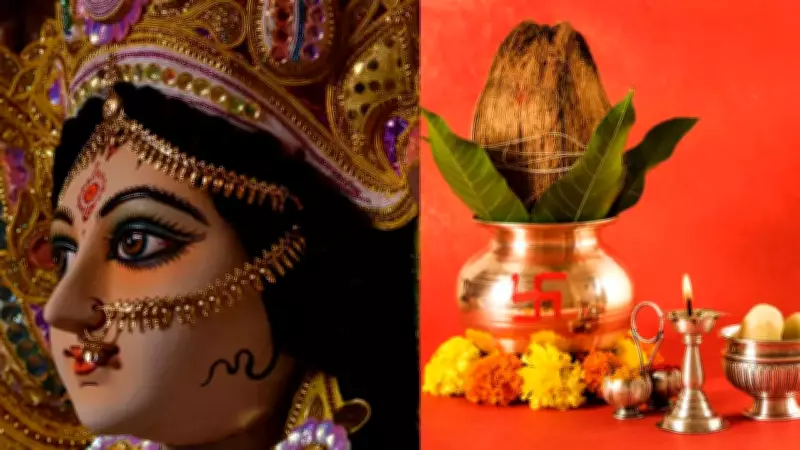
The foundation of Navratri observances begins with Ghatasthapana. This year, the auspicious muhurat for this ritual falls between 6:52 AM and 7:43 AM on March 19. Set up a kalash using non-metal pots, filling it with barley seeds, fresh mango leaves, and a coconut. Plant additional barley seeds in nearby soil, as their growth over the nine days symbolizes abundance and prosperity in your life.

Navratri Fasting Guidelines and Sattvik Diet
Fasting during Navratri requires careful attention to dietary rules. Consume only pure sattvik foods such as fresh fruits, milk, and specially prepared fasting items including kuttu atta, singhare ka atta, sabudana, and sendha namak. It is recommended to have your primary meal before sunset to maintain physical strength while promoting spiritual, mental, and bodily cleansing. Strictly avoid all non-vegetarian items, eggs, alcohol, tobacco, paan, mustard oil, hing, and regular salt during fasting periods.
Daily Spiritual Practices and Mantra Chanting
Daily recitation of sacred texts and mantras enhances spiritual focus. Chant Durga Saptashati or the Chalisa, or repeat the powerful mantra "Om Aim Hreem Kleem" 108 times daily while facing north. Each day, devote specific worship to one of the nine forms of Goddess Durga. This structured practice helps maintain concentration and is believed to assist in resolving personal challenges.
Maintaining Sacred Atmosphere and Ritual Continuity
Keep an Akhand jyoti (continuous ghee lamp) burning near the kalash throughout the nine days until Kanya Pujan. Conduct evening prayers with family members, offering fresh flowers, fruits, and bhog. This collective devotion deepens spiritual connection and protects the positive vibrations within your home. Additionally, ensure someone remains at home whenever the Akhand diya is lit to prevent negative energies from entering.
Appropriate Attire and Color Symbolism
Wear fresh, clean clothing in auspicious colors such as yellow, orange, red, or white each day, coordinating with the specific form of Goddess Durga being worshipped. Avoid black or blue attire during this period. Always wear freshly cleaned clothes before performing puja to maintain the sacredness of your worship space and align with the festival's energetic vibrations.
Behavioral Guidelines and Prohibited Activities
Navratri emphasizes positive conduct and self-discipline. Practice charity by donating food, clothing, or grains to those in need. Maintain emotional calm by avoiding anger, lies, gossip, and negative speech. Help others generously, as these actions are believed to multiply divine blessings. Furthermore, refrain from cutting hair or nails, shaving, purchasing ironware, furniture, or sharp tools during the festival period to preserve spiritual energy.
Additional Dietary Restrictions and Discipline
Beyond the basic fasting rules, completely avoid all grains including wheat, rice, and lentils, as well as processed foods. Keep your stomach relatively empty until evening prayers to demonstrate spiritual discipline. Following these comprehensive guidelines transforms Navratri from mere ritual observance into a profound period of personal growth, spiritual cleansing, and divine connection.