Bhopal's Ramzan Heritage: Echoes of Nawab-Era Traditions
In the historic city of Bhopal, the holy month of Ramzan is deeply intertwined with centuries-old memories and customs. The vibrant Old City, with its bustling markets, aromatic food lanes, and ancient architectural decor, continues to preserve fragments of celebrations and rituals that date back to the era of the Nawabs. These traditions have remarkably endured through time, maintaining their significance in contemporary observances.
The Cannon-Firing Tradition of the Nawabs
For an impressive span of approximately 240 years, from around 1707-08 until 1949, the Nawabs and Begums of Bhopal established unique customs that shaped the city's identity. One of the most distinctive practices involved the use of cannons to mark key moments during Ramzan. According to SM Hussain, a renowned conservation architect and historian who proudly carries his royal lineage, these traditions remain vivid in collective memory.
"During the Nawab rule, cannonballs fired from the ramps of Idgah would announce the commencement of Ramzan upon moon sighting," Hussain explained. "Thereafter, the deafening roar of cannons would resonate through the air daily, signaling both Sehri (pre-dawn meal) and Iftar (breaking of fast) prayers. The cannons would boom once more at the conclusion of the fasting month to herald Eid celebrations."

Evolution of Rituals: From Artillery to Firecrackers
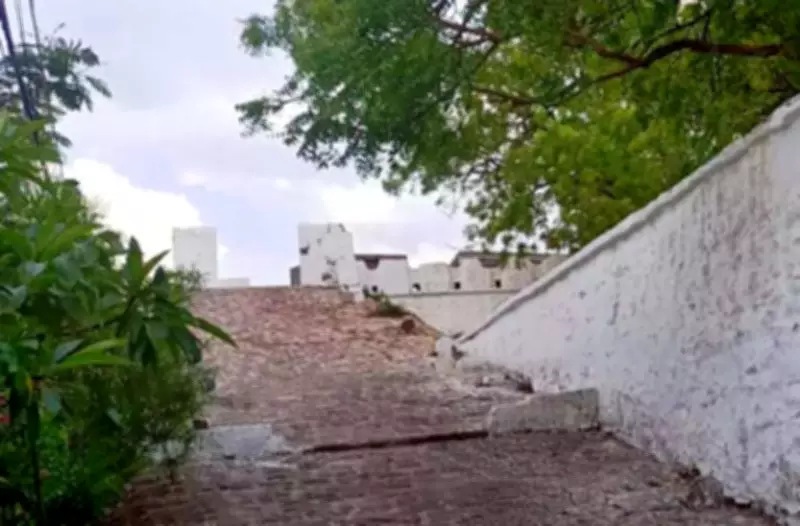
While the original cannons are no longer operational, the physical ramps from which they were fired still stand as historical landmarks. In modern times, the tradition has transformed, with cannon fire being replaced by the bursting of firecrackers. However, the cultural essence remains so deeply ingrained that residents continue to use the phrase "tope chal gayi" (the cannon has been fired) when they hear firecrackers during Sehri and Iftar.
This linguistic preservation demonstrates how historical practices evolve while maintaining their symbolic meaning. The custom of announcing Eid through ceremonial gunfire persists in adapted forms, bridging past and present.
Preserving Cultural Identity Through Generations
The enduring legacy of Bhopal's Ramzan traditions highlights how cultural practices can adapt to changing times without losing their core significance. The city's character, as shaped by its royal heritage, continues to influence contemporary celebrations, ensuring that historical customs remain relevant to new generations.
For historians like Hussain, these traditions are not merely historical footnotes but living memories that continue to define Bhopal's unique cultural landscape during the holy month.