While India's long fight for independence has inspired countless books and films, its most unvarnished truths are often found in forgotten official files. These documents, never intended for public eyes, now form the core of a revealing exhibition in Bhopal, laying bare the stark reality of colonial resistance and the fear it instilled in the British administration.
Dusty Files, Stark Truths: Archives Come Alive
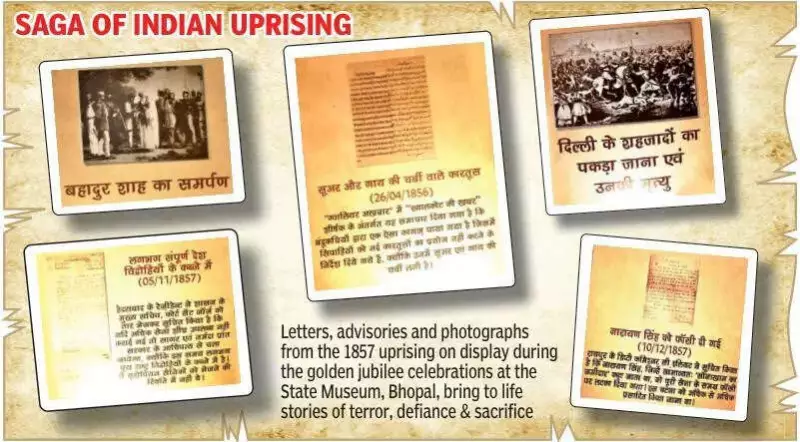
The five-day public exhibition, a highlight of the golden jubilee celebrations of the Directorate of Archaeology, Archives and Museums, opened at the State Museum in Bhopal on Tuesday. It was inaugurated by Dharmendra Singh Lodhi, the Minister of State for Culture, Tourism, Religious Trust and Endowment Department of Madhya Pradesh. The display presents a collection of dust-laden letters, advisories, and photographs that strip away historical rhetoric to reveal the high price of resistance.
Commissioner Urmila Shukla of the Directorate emphasized the power of these primary sources. "These records are statements of fact," she stated. "The uprising of 1857 sowed the seeds of freedom. These documents are living history that never lies; dust may settle, but truth endures."

Revisiting Resistance Across Central India
The exhibition powerfully demonstrates that resistance in the Central Provinces was neither isolated nor sporadic. It sheds light on lesser-known uprisings across regions including Bhopal, Indore, Gwalior, and Jabalpur. One striking revelation is a report from the 'Gwalior Akhbar' in 1856, which noted the discovery of cartridges greased with cow and pig fat in Sialkot—a revelation that helped ignite mutiny among both Hindu and Muslim soldiers well before 1857.
The colonial government's desperation and brutality are starkly visible. A chilling letter from the deputy commissioner of Damoh to the commissioner of Jabalpur urges that not a single Indian involved in the Bundela mutiny of 1842 or the uprising of 1857 be spared. Similarly, a rare advertisement issued by the Holkar government announces a massive reward of Rs 1 lakh for the arrest of Nanasaheb Peshwa, underlining the rulers' panic.
A Raj Gripped by Fear
The scale of the British anxiety is further evident in official correspondence. A letter from the Resident of Hyderabad to the chief secretary urgently requests a large battalion to suppress rebels in the Sagar and Nerbudda (Narmada) division. These documents collectively paint a picture of an empire deeply unsettled by the widespread and determined resistance.
Minister Dharmendra Singh Lodhi highlighted the exhibition's contemporary relevance. "There are many stories of Indian patriotism that must reach the masses," he said. "Our history reflects immense fortitude and willpower, and we are committed to inspiring the youth through it." The exhibition serves as a direct portal to the past, allowing visitors to confront the raw, unedited narrative of India's long walk to freedom, as written by both the resistors and the rattled rulers.