Basant Panchami 2026: A Festival of Knowledge and Renewal
Basant Panchami, also known as Vasant Panchami, is a vibrant and spiritually significant festival celebrated across India to welcome the spring season. In 2026, this auspicious day falls on January 22, marking a time of renewal, learning, and devotion. The festival is deeply rooted in Hindu traditions and is dedicated to Goddess Saraswati, the deity of knowledge, music, arts, and wisdom. As the winter chill recedes, Basant Panchami brings with it a sense of hope and new beginnings, symbolized by the blooming of mustard flowers and the onset of warmer weather.
The Significance of Saraswati Puja
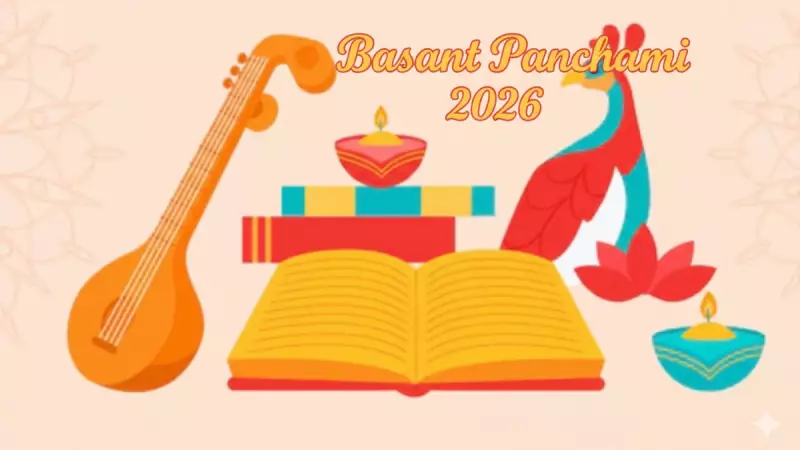
Saraswati Puja is the central ritual of Basant Panchami, where devotees worship Goddess Saraswati to seek her blessings for academic success, creative inspiration, and intellectual growth. According to Hindu mythology, Goddess Saraswati is depicted as a serene figure dressed in white, holding a veena (a musical instrument), a book, and a rosary, representing the harmony of knowledge, art, and spirituality. On this day, students, artists, and scholars perform special prayers and offerings, such as placing books and instruments at her altar, to invoke her grace. The color yellow holds immense importance during the celebrations, as it symbolizes the vibrancy of spring and the mustard fields in full bloom. People often wear yellow attire, decorate their homes with yellow flowers, and prepare traditional yellow sweets like kesari or halwa to honor the goddess and the season.
Rituals and Celebrations Across India
The observance of Basant Panchami varies regionally but is united by common themes of devotion and festivity. In many parts of India, especially in educational institutions and temples, elaborate Saraswati Puja ceremonies are conducted. Students participate in hawan (fire rituals) and chant mantras to bless their academic pursuits. In states like West Bengal and Odisha, the festival is celebrated with great fervor, featuring cultural programs, music, and dance performances dedicated to the goddess. Additionally, Basant Panchami marks the beginning of preparations for Holi, another major spring festival, as people start gathering wood and materials for the bonfires. The day is also considered auspicious for initiating children into education, known as Vidyarambham, where toddlers are introduced to writing their first letters in a ceremonial setting.

Cultural and Spiritual Impact
Beyond its religious aspects, Basant Panchami holds a profound cultural significance in Indian society. It emphasizes the value of education and the arts, encouraging individuals to pursue knowledge and creativity. The festival fosters a sense of community, as families and friends come together to celebrate, share meals, and engage in charitable activities. Spiritually, Basant Panchami is seen as a time for introspection and setting new goals, aligning with the rejuvenating energy of spring. As we look forward to Basant Panchami 2026, it serves as a reminder of the enduring traditions that connect people to nature and divinity, promoting harmony and growth in personal and collective lives.