Basant Panchami 2026: A Comprehensive Guide to Saraswati Puja Bhog Offerings
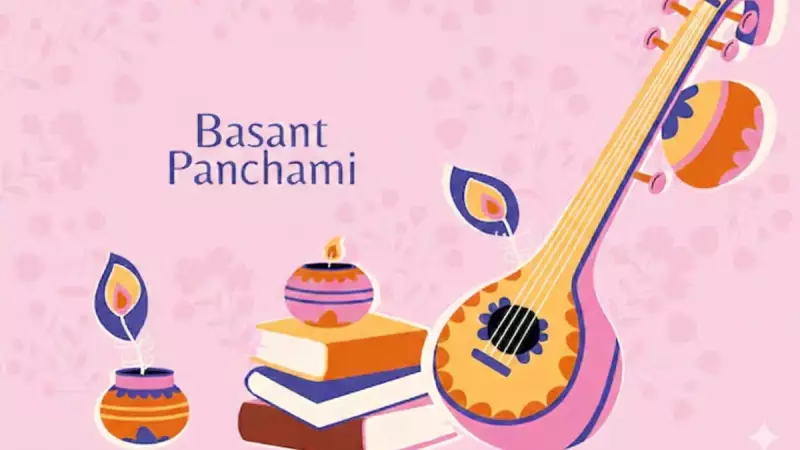
Basant Panchami, also known as Vasant Panchami, is a significant Hindu festival that marks the arrival of spring and is dedicated to Goddess Saraswati, the deity of knowledge, music, and arts. In 2026, this auspicious day falls on January 22, bringing with it a wave of spiritual fervor and cultural celebrations across India. Devotees prepare elaborate puja rituals, with bhog offerings playing a central role in honoring the goddess.
The Significance of Bhog in Saraswati Puja
Bhog, or sacred food offerings, are an integral part of Saraswati Puja, symbolizing devotion, gratitude, and the sharing of blessings. These offerings are believed to please Goddess Saraswati, who bestows wisdom, creativity, and academic success upon her worshippers. The preparation of bhog is done with purity and sincerity, often involving traditional recipes passed down through generations.
Traditional Bhog Offerings for Basant Panchami 2026
During Basant Panchami 2026, devotees will offer a variety of items to Goddess Saraswati, with a focus on yellow-colored foods that represent the vibrancy of spring. Here are the key bhog offerings:

- Yellow Sweets: Dishes like kesari halwa, made from semolina and saffron, and boondi laddoo are popular choices. Their yellow hue aligns with the festival's theme of renewal and prosperity.
- Fruits: Fresh fruits such as bananas, mangoes, and oranges are offered, symbolizing abundance and the sweetness of knowledge. These are often arranged in decorative patterns.
- Rice and Pulses: Cooked rice, especially yellow rice flavored with turmeric, and dishes like khichdi are common, representing sustenance and purity.
- Milk Products: Offerings like curd, milk, and paneer are included, signifying nourishment and the nurturing aspect of learning.
- Honey and Jaggery: These natural sweeteners are used in various preparations, highlighting the importance of sweetness in life and education.
Preparation and Rituals for Bhog
The preparation of bhog for Saraswati Puja involves meticulous care to maintain cleanliness and devotion. Devotees typically wake up early, take a bath, and wear yellow attire to match the festive spirit. The bhog is cooked in a separate, purified kitchen area, and it is offered to the goddess during the puja ceremony, which includes chanting of mantras and prayers.
After the puja, the bhog is distributed as prasad among family members, friends, and the community, fostering a sense of unity and shared blessings. This act of sharing is considered auspicious and is believed to spread the goddess's grace.
Cultural and Spiritual Importance
Basant Panchami is not just a religious event but a cultural celebration that emphasizes the value of education and the arts. In many parts of India, especially in educational institutions, Saraswati Puja is observed with great enthusiasm, where students offer their books and instruments to the goddess for blessings. The bhog offerings reinforce this connection, as they are often made with ingredients that are believed to enhance cognitive abilities and creativity.
As Basant Panchami 2026 approaches, devotees are encouraged to plan their bhog offerings thoughtfully, incorporating traditional elements while adding personal touches. Whether it's through homemade sweets or simple fruits, the essence lies in the devotion and the intent to seek wisdom and inspiration from Goddess Saraswati.