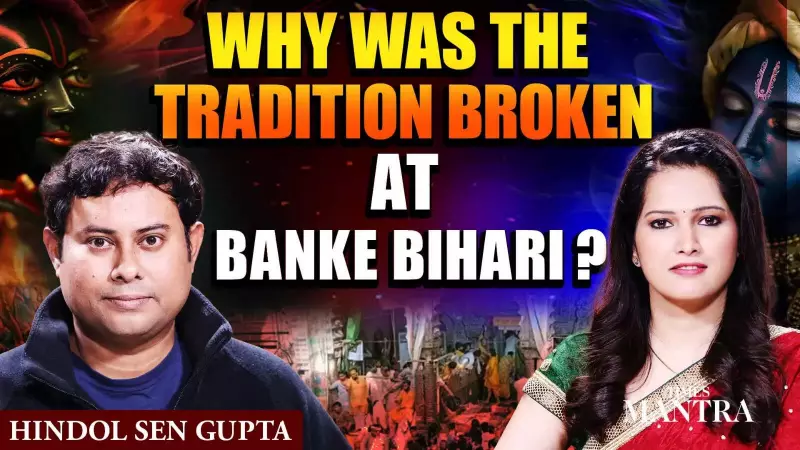
A recent controversy at the revered Banke Bihari Mandir in Vrindavan has sent shockwaves through the devotional community, sparking a profound debate on the delicate balance between faith and administrative management. The core of the issue lies in the reported disruption of long-standing rituals and the absence of the sacred bhog (food offering), a break from tradition that has deeply upset devotees.
More Than Worship: The Historical Role of Temples
Highlighting the significance of this event, noted historian Hindol Sengupta provided crucial context. He emphasized that temples in India have historically functioned as far more than just places of prayer. They were integral pillars of social, cultural, and economic life, serving as community hubs, centers of learning, and patrons of the arts. The current tension at Banke Bihari, therefore, touches a nerve that goes beyond a single ritual, questioning the very model of managing such living heritage sites.
A Pan-India Pattern of Tension
This incident at Banke Bihari is not an isolated one. Similar frictions between centuries-old tradition and modern governance frameworks have surfaced at other major sacred sites across the country. The report specifically mentions similar tensions observed at:

- The Kamakhya Temple in Assam
- The Kashi Vishwanath Temple in Varanasi
- The Jagannath Temple in Puri
This pattern indicates a broader, nationwide conversation. The situation is particularly sensitive in Shakti temples dedicated to Maa Shakti, where rituals are deeply rooted and even minor alterations can trigger powerful emotional responses from the faithful.
The Central Question: Can Tradition Coexist with Development?
The Banke Bihari episode forces a critical question to the forefront: Can development and streamlined management coexist with centuries-old sacred traditions without diluting their essence? It raises concerns about whether administrative efficiency sometimes comes at the cost of spiritual and ritualistic integrity. The debate now centers on finding a model that respects devotional sentiments while ensuring the smooth and transparent functioning of these institutions.
As the discussion unfolds, the resolution of the Banke Bihari matter is being closely watched. It could set a precedent for how India navigates the complex interplay of unwavering faith and the demands of contemporary administration in its most hallowed spaces.