Historic Moment in Ayodhya as Dharma Dhwaj Flies High
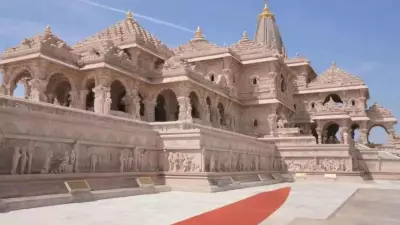
Ayodhya witnessed an unprecedented moment of cultural and spiritual significance as Prime Minister Narendra Modi hoisted the sacred Dharma Dhwaj at the newly constructed Ram Temple. The ceremony, which took place on November 25, 2025, marked a defining chapter in India's religious history, drawing thousands of devotees, saints, and political leaders to the holy city.
The Sacred Symbols: Om, Sun and Kovidara Tree
The massive flag, crafted with aerospace precision and mounted atop the temple's 161-foot summit, carries three profound symbols deeply rooted in Sanatan Dharma. Each element has been carefully chosen to represent fundamental aspects of Hindu philosophy and Lord Rama's legacy.
The Om symbol represents the primordial sound of creation, the cosmic vibration that brought the universe into existence. This sacred syllable embodies the essence of all reality and spiritual knowledge in Hindu tradition.

The Sun symbol holds dual significance - it represents both the cosmic energy that sustains life and the royal heritage of Lord Rama's Suryavanshi clan. The solar dynasty to which Lord Rama belonged has been a central theme in the Ramayana narrative.
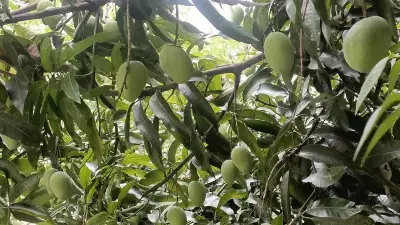
The Kovidara tree, known scientifically as Bauhinia variegata, symbolizes continuity, wisdom, and sacred legacy. This tree has special mention in ancient scriptures and represents the enduring nature of dharma through generations.
Ceremonial Significance and Rituals
The flag-hoisting ceremony was meticulously planned to align with Vivah Panchami, the auspicious day commemorating the marriage of Lord Rama and Goddess Sita. The rituals were performed during the Abhijit Muhurat, considered the most auspicious time period in Vedic astrology.
Preceding the main event, 100 priests conducted days of intense rituals, creating an atmosphere charged with spiritual energy. The elaborate ceremonies followed traditional protocols established in ancient texts, ensuring the sanctity of the occasion.
The gathering included prominent saints from various spiritual traditions and key political leaders, all united in witnessing what many described as a once-in-a-generation moment. The event transcended political boundaries, becoming a national celebration of cultural resurgence.
Broader Implications and Cultural Resurgence
This ceremony marks not just the completion of the Ram Temple but symbolizes the revival of India's timeless spiritual identity. The Dharma Dhwaj serves as a beacon of cultural pride and religious continuity, connecting modern India with its ancient spiritual roots.
The event has been interpreted by spiritual leaders as a significant milestone in the preservation and promotion of Sanatan Dharma. It represents the culmination of decades of devotion and struggle, finally materializing in this grand ceremony that blends ancient traditions with contemporary precision engineering.
As the Dharma Dhwaj flies over Ayodhya, it sends a powerful message about the enduring strength of India's spiritual traditions and their relevance in contemporary times. The ceremony has ignited renewed interest in Hindu symbols and their deep philosophical meanings among younger generations.