ASI Calls for Traffic Regulation at Mamallapuram Monuments to Combat Congestion
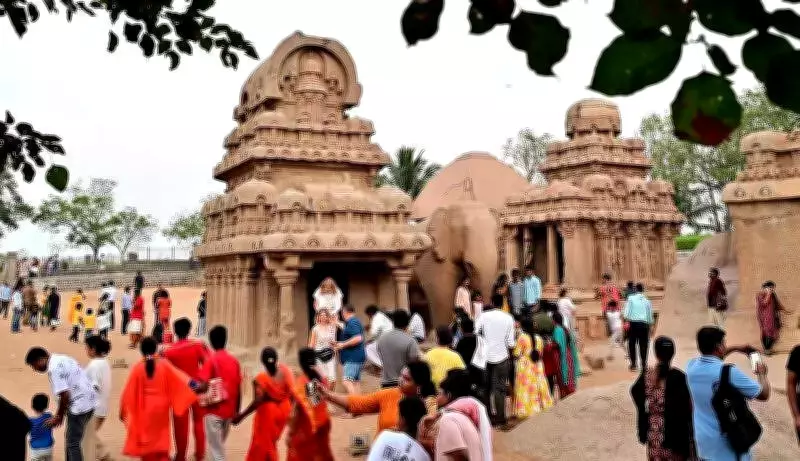
The Archaeological Survey of India (ASI) has formally requested the Tamil Nadu government to implement traffic regulations near the historic Pallava-era monuments at Mamallapuram, citing overwhelming footfalls during weekends and holidays. This move aims to address severe traffic congestion that threatens both visitor experience and the preservation of these ancient sites.
Proposed Measures for Sustainable Tourism
Sushanta Kumar Kar, the superintending archaeologist of the ASI Chennai Circle, outlined a comprehensive plan to mitigate the issues. He recommended that the state government develop a master plan for Mamallapuram, including relocating the bus stand outside the town and restricting vehicle access near the monuments to only battery-operated or electric vehicles. This strategy mirrors successful implementations at Hampi in Karnataka, which have reduced pollution and traffic while enhancing monument conservation.
Visitor Statistics Highlight Urgency
Recent data from ASI ticket sales underscores the urgency of these measures. In December, the monuments, including the Shore Temple and Five Rathas, welcomed 78,938 visitors. This number surged to 192,814 in January, with 7,592 foreign tourists, indicating peak season pressures. The influx has exacerbated problems such as unauthorized vendors and tourist guides, complicating efforts to maintain the UNESCO-prescribed core and buffer zones around these world heritage sites.

Enhancing Accessibility and Preservation
In addition to traffic management, the ASI is advancing initiatives to improve accessibility. Plans include establishing a new center at the Shore Temple for visually impaired individuals, featuring tactile models of key monuments and Braille notes. Furthermore, videos with sign language are being prepared to explain the historical significance of these 7th and 8th-century CE carvings, promoting inclusive tourism.
The Tamil Nadu government's recent allocation of 100 crore for tourism infrastructure development aligns with these efforts, emphasizing the need for coordinated action to protect Mamallapuram's cultural heritage while accommodating growing tourist numbers.