Veteran Archaeologist TM Keshava, Lakkundi Excavation Director, Passes Away at 74
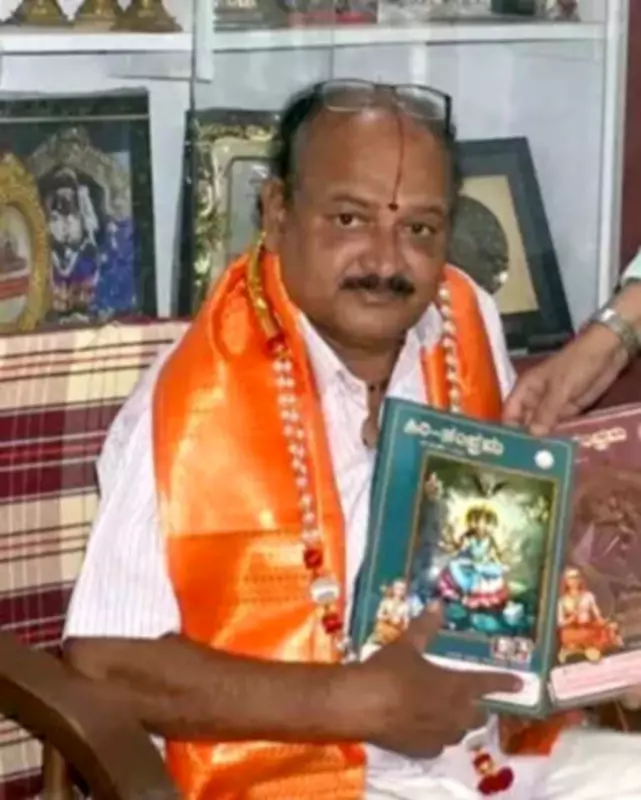
Veteran archaeologist TM Keshava, aged 74, who was recently appointed as the director for excavation at the prestigious Lakkundi heritage site, died in Bengaluru on Friday. Sources close to the family confirmed that he had been suffering from cancer, which ultimately led to his demise.
Distinguished Career with Archaeological Survey of India
Keshava began his illustrious career with the Archaeological Survey of India (ASI) in 1979, joining as a technical assistant in Aurangabad. Over the years, he held several key positions, including serving as the curator of the Halebid museum from 1984 to 1991. His dedication and expertise led to his promotion as assistant superintending archaeologist in the Bengaluru circle in 1991, where he continued to make significant contributions to the field.
Notable Excavations and Archaeological Contributions
Throughout his career, Keshava conducted excavations at numerous important historical sites across India. His work included significant digs at Gudnapur, Banavasi, Hampi, Sannati, and various other locations, unearthing valuable artifacts and insights into India's rich cultural heritage. After retiring as the deputy superintending archaeologist, he remained actively involved in archaeology-related activities, demonstrating his lifelong passion for the subject.

Crucial Role in Exploring Lakkundi's Hidden History
In his most recent role, Keshava played a pivotal part in exploring the hidden history of Lakkundi for seven months. His appointment as director for excavation at this heritage site was seen as a testament to his expertise and commitment to preserving India's archaeological treasures. His efforts were instrumental in advancing our understanding of Lakkundi's historical significance, and his loss is deeply felt by the archaeological community.
The passing of TM Keshava marks the end of an era in Indian archaeology, leaving behind a legacy of dedication and discovery that will continue to inspire future generations.