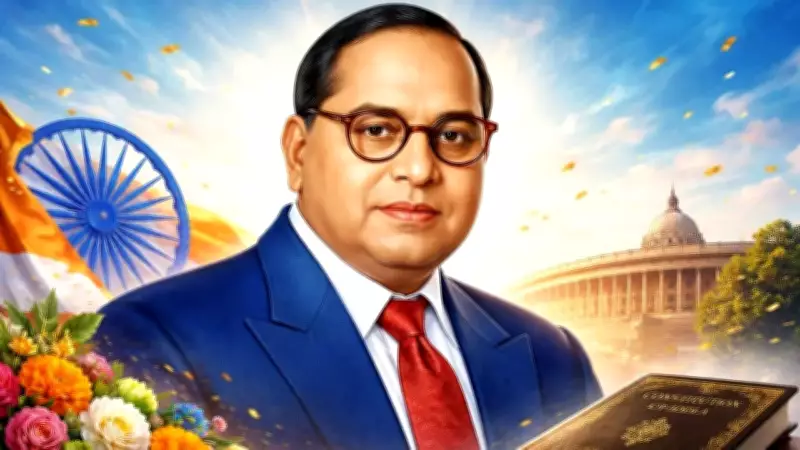
Ambedkar Jayanti: A National Tribute to India's Visionary Leader
Every year on April 14, India commemorates Ambedkar Jayanti, a significant public holiday dedicated to honoring the birth and legacy of Dr. Bhimrao Ramji Ambedkar. Born in 1891 in Mhow, present-day Madhya Pradesh, Ambedkar emerged as one of India's most influential leaders, whose contributions continue to shape the nation's democratic and social fabric. This day is marked with profound respect and enthusiasm across the country, bringing together people from diverse backgrounds to celebrate his life, struggles, and monumental achievements.
The Multifaceted Legacy of Dr. B.R. Ambedkar
Dr. B.R. Ambedkar was a polymath whose roles extended far beyond politics. He was a distinguished lawyer, economist, scholar, and social reformer, best known for his leadership in drafting the Indian Constitution. His work as the chairman of the Drafting Committee ensured that the Constitution enshrined principles of justice, equality, and human dignity for all citizens. Ambedkar's personal experiences growing up in a caste-divided India fueled his lifelong commitment to uplifting marginalized communities, particularly Dalits and other backward castes.
His academic pursuits took him to prestigious institutions like the London School of Economics and Columbia University, where he honed his intellectual prowess. Ambedkar's life story serves as a powerful testament to how education, hard work, and determination can drive transformative change. He passionately advocated for education as a tool for empowerment, urging underrepresented groups to pursue learning and assert their rights.

Historical Origins and Evolution of the Celebration
The tradition of celebrating Ambedkar Jayanti dates back to 1928, when it was first observed in Pune as a modest event to acknowledge his efforts for social justice. Initially a local commemoration, it gained national prominence after India's independence in 1947, as Ambedkar's role in shaping the Constitution became widely recognized. Following his death in 1956, his followers continued to honor his birthday, gradually transforming it into a nationwide observance that reflects his enduring impact.
Contemporary Relevance and Social Impact
Ambedkar Jayanti remains profoundly relevant today as a celebration of social justice and empowerment. For millions of Indians, this day symbolizes a reaffirmation of faith in equality and justice, reminding society of the ongoing struggle against caste-based discrimination and inequality. It underscores the constitutional values of freedom, equality, and fraternity that are essential for a functioning democracy.
The day encourages reflection on Ambedkar's teachings, which emphasize the importance of:
- Justice and Equality: Advocating for equal rights and opportunities regardless of caste, religion, or background.
- Social Reform: Fighting against untouchability and working to improve the lives of marginalized groups.
- Education and Empowerment: Promoting learning as a means to achieve personal and societal progress.
Through his relentless efforts, Ambedkar played a crucial role in making Indian society more inclusive and equitable. His legacy continues to inspire movements for social change, ensuring that his vision of a just and democratic India remains alive in the hearts and minds of people across the nation.