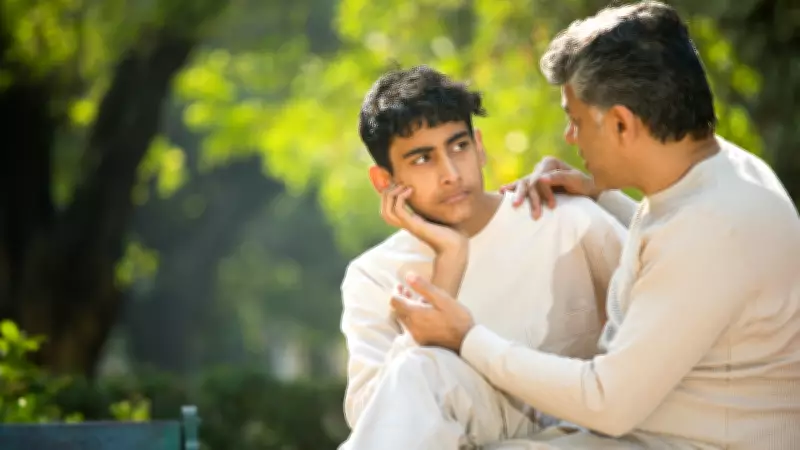
A son may inherit his father's eyes, his height, or the quick temper he swears he will never repeat. But the deeper inheritance is often quieter. It lives in the way a man speaks at the dinner table, handles disappointment, treats people with less power, or shows up when nobody is applauding. Fathers do not just raise sons. They model adulthood. Long before a boy has words for it, he is watching for clues on how to be steady, how to lead, how to love, and how to live with himself. Those lessons can last a lifetime. Here are five that shape him the most.
How to Carry Responsibility
One of the earliest things sons learn from fathers is that responsibility is not a performance. It is a practice. It looks like going to work even when life feels heavy, fixing what is broken, paying attention when others would rather look away. A father who shows up consistently teaches his son that being dependable matters. Not glamorous. Not loud. Just dependable. That lesson shapes how a son handles commitments later in life, whether in relationships, careers, or friendships. He begins to understand that reliability is a form of character.
How to Handle Emotions
For many sons, a father becomes the first example of what it means to deal with anger, stress, failure, and pressure. Sometimes that example is healthy. Sometimes it is not. But in both cases, it leaves a mark. A father who stays calm under strain teaches that emotions do not have to run the room. A father who apologises after losing his temper teaches something just as valuable: strength is not the absence of emotion, but the ability to repair after it. Sons often learn emotional language from what their fathers allow, suppress, or express. That early blueprint can shape how they respond to conflict for years to come.

How to Treat Women
Whether a father is gentle or dismissive, respectful or controlling, sons are paying attention. They are learning what masculinity looks like in relation to women, and those lessons often begin long before they date, marry, or become fathers themselves. A man who listens to his wife, respects his daughter, and speaks about women with dignity gives his son a powerful model. He shows that respect is not something reserved for strangers in public. It is most meaningful at home, in everyday interactions, when no one is keeping score. That early example can influence how a son sees partnership, consent, equality, and care.
How to Define Strength
Many boys grow up believing strength means toughness, silence, or the ability to withstand pain without flinching. Fathers have a chance to expand that definition. A father who keeps going after setbacks, who asks for help when needed, and who admits fear instead of hiding it teaches a fuller version of strength. Real strength is not just endurance. It is honesty, restraint, and courage under pressure. Sons who learn this early are often better equipped to navigate life without turning vulnerability into shame.
What It Means to Be a Man
At the deepest level, sons learn from fathers how to answer one of life's oldest questions: What kind of man should I become? They absorb that answer through thousands of small moments. A father helping an old neighbour. A father keeping a promise. A father standing up for someone being ignored. A father choosing patience over pride. Over time, these details become a moral compass. Sons may not copy their fathers exactly. In fact, many build their identities in quiet rebellion against them. But even rebellion is shaped by the original blueprint. That is the strange power of fatherhood. It is rarely remembered in a single grand speech. More often, it is carried in the habits, silences, and daily choices that a son never forgets. Because in the end, fathers do more than raise sons. They teach them how to walk through the world.