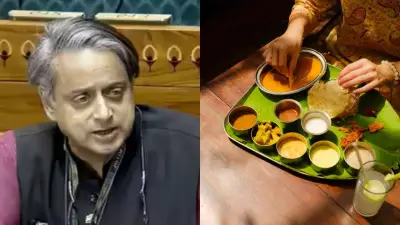
In the heart of Indian spiritual practice, the act of giving in temples, or 'daan', transcends mere monetary transaction. It is a profound ritual woven into the fabric of faith, where offerings are chosen for their deep symbolic value—representing nourishment, light, service, and detachment. The true essence lies not in the cost but in the conscious intention behind the gift. A simple offering made with awareness holds greater spiritual weight than abundance given without thought. This timeless tradition continues to be a powerful expression of gratitude, humility, and trust. Here are five meaningful items to donate and the enduring reasons they matter.
The Spiritual Power of Food Offerings
Donating food is revered as one of the highest forms of daan. Many temples utilize such offerings to support community kitchens, known as langar or annadanam, or for the daily preparation of bhog. Spiritually, food symbolizes prana, the very life force energy. By offering grains like rice and wheat, pulses, or even prepared meals, an individual actively participates in sustaining the lives of others. Sacred texts, including the Bhagavad Gita, speak of food as sacred, nourishing both body and mind. This act is believed to help balance karmic accounts related to scarcity and fear of hunger, while simultaneously cultivating deep gratitude for one's own sustenance.
Clothing as an Offering of Dignity
Donating clothes, whether new or gently used, is a powerful gesture symbolizing dignity, respect, and protection. In temple culture, clothing is viewed as a basic necessity that honors the human form. Temples often distribute these donations to priests, temple workers, pilgrims, or nearby communities in need. On a spiritual plane, giving clothes is associated with letting go of attachment to outward identity and appearance. It is said to soften the ego and pride, serving as a reminder of the body's temporary nature. This form of donation is frequently recommended during periods of personal transition, such as career changes or emotional milestones, as it supports a sense of inner renewal.

Lighting the Lamp of Inner Clarity
The donation of oil or ghee for temple diyas (lamps) carries rich symbolism. The diya itself represents awareness, clarity, and the dispelling of inner darkness. Offering mustard oil, sesame oil, or pure cow ghee is seen as fueling not just a physical flame, but the very lamp of wisdom within. This practice is linked to gaining clarity in decision-making, reducing mental confusion, and strengthening inner discipline. Unlike decorative items, oil or ghee burns away completely, embodying the ideal of selfless surrender without any expectation of return.
Supporting the Sacred Cow
In numerous Indian temples, particularly those dedicated to deities like Krishna or Shiva, donations connected to the cow hold special merit. This can include fodder, green grass, grains, or financial contributions for gaushala (cow shelter) upkeep. The cow is traditionally venerated as a symbol of abundance, nourishment, and non-violence. Supporting the care of cows is believed to cultivate compassion and stability in one's own life. It is also viewed as a means of balancing karmas linked to greed, overconsumption, and excess. These donations serve a dual purpose, fulfilling both a spiritual ideal and a practical need for animal welfare.
The Ultimate Gift: Your Time and Service
Perhaps the most profound yet often overlooked donation is the gift of time. Countless temples rely on volunteers for tasks like cleaning, managing crowds, assisting elderly devotees, serving food, or organizing rituals. This selfless service, known as seva, holds a unique place in spiritual tradition. It is considered deeply purifying because it demands one's full presence without the anticipation of material reward. Unlike physical objects, time can neither be stored nor reclaimed. Spiritual teachers across Indian philosophy have emphasized that seva dissolves the ego more effectively than many rituals, transforming humble, everyday actions into a genuine form of worship.