5 Nations Where Animals Are Central to Cultural Traditions and Heritage
Across our diverse planet, animals transcend their biological roles to become integral components of cultural identity, ritual, and celebration. These creatures are woven into the very fabric of societies, symbolizing values, enabling survival, and fostering unique bonds between humans and the natural world. While modernization has transformed many aspects of life, these animal-centric traditions persist as vibrant testaments to cultural resilience and heritage.
Below, we explore five remarkable countries where animals are not merely present but are central to some of the world's most distinctive and enduring cultural practices.
United Arab Emirates – Falconry as a Living Heritage
In the United Arab Emirates, the falcon is far more than a bird of prey; it is a profound cultural emblem. Falconry in the Arabian Peninsula boasts a history stretching back millennia, originally serving as a crucial survival technique for Bedouin tribes who relied on trained falcons to hunt in the arid desert landscapes. Today, this practice has evolved into a powerful symbol of nobility, discipline, and honor.

Falconry in the UAE is a meticulously regulated and deeply respected pursuit. Falcons are trained using time-honored methods, housed in specialized enclosures, and even possess their own passports for international travel, underscoring their esteemed status. This rich tradition has earned global recognition, being inscribed by UNESCO as an Intangible Cultural Heritage of Humanity, ensuring its preservation for future generations.
Mongolia – Eagle Hunting with Golden Eagles
In the remote and rugged Altai Mountains of western Mongolia, Kazakh eagle hunters engage in one of the planet's most visually arresting animal traditions. Utilizing trained golden eagles, these hunters pursue foxes and other small game during the harsh winter months, a practice passed down through countless generations.
This tradition demands extraordinary skill, immense patience, and a profound bond of trust between the hunter and the majestic bird. It represents a harmonious partnership with nature, where the eagle is both a companion and a vital tool for sustenance, deeply embedded in the cultural identity of the Kazakh people in Mongolia.
Spain – The Running of the Bulls
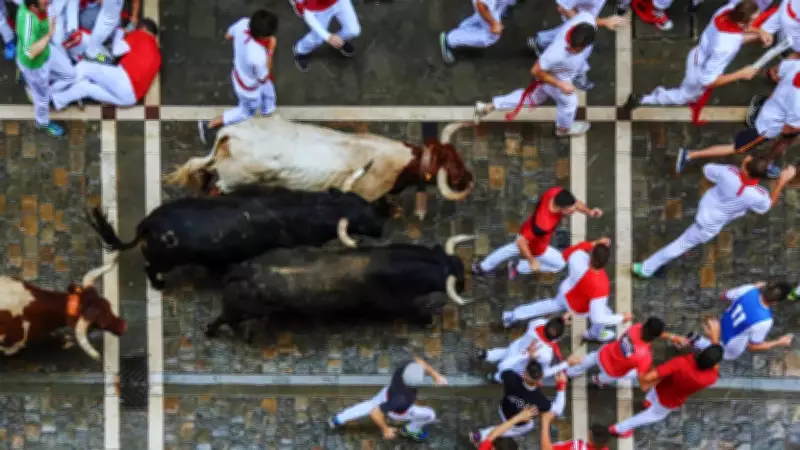
Few animal-related traditions have achieved the global fame of Spain's Running of the Bulls, most famously staged during the San Fermín festival in Pamplona. Annually, bulls are released into the city's narrow streets, where participants run ahead of them toward the bullring in a thrilling, adrenaline-fueled spectacle.
While this event is a major tourist attraction and remains a cornerstone of Spanish festival culture, it has not been without controversy. Animal welfare concerns have sparked significant debate and prompted changes over time. Nonetheless, the running endures as a powerful, if contentious, symbol of Spanish tradition and bravery.
India – Indigenous Sports and Sacred Animal Relationships
India's relationship with animals is deeply rooted in spirituality, history, and cultural expression. In the northeastern state of Manipur, considered the birthplace of modern polo, the game is played using Manipuri ponies—a small, resilient indigenous breed. This form of polo is steeped in Manipuri history, linked to royalty, ancient battles, and ceremonial rituals.
In southern India, particularly in Tamil Nadu, bull-based events like Jallikattu showcase another dimension of human-animal interaction. Here, bulls are bred with meticulous care, immense pride, and ritual significance, often regarded as cherished members of the family. These traditions highlight India's diverse and profound connections with animals across different regions.
Japan – Sacred Deer of Nara
In Japan, animals often occupy a sacred, rather than competitive, space within culture. This is vividly exemplified in Nara, where sika deer roam freely through temple grounds, parks, and city streets. According to Shinto mythology, these deer are believed to be messengers of the gods and have been protected for centuries.

Rituals such as feeding the deer, annual festivals, and stringent conservation efforts ensure these animals remain a living part of Japanese cultural heritage. The iconic image of deer bowing to request food has become a symbol of how ancient traditions and modernity coexist harmoniously in Japan, reflecting a deep-seated reverence for nature.
These five examples illustrate the incredible diversity of ways in which animals are central to cultural traditions around the world. From hunting companions to sacred messengers and sporting partners, these creatures continue to shape identities, foster community bonds, and preserve heritage in an ever-changing global landscape.