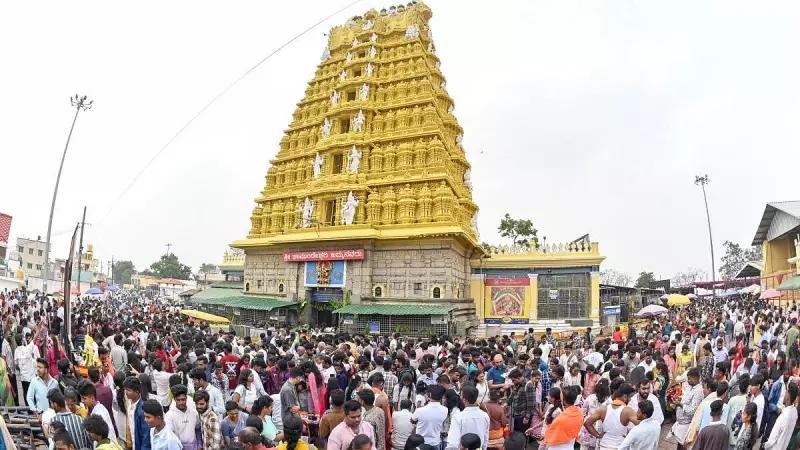
In a powerful spiritual commencement to the new calendar year, devotees gathered atop the revered Chamundi Hill in Mysuru for a mass chanting of the sacred Lalitha Sahasranama. The event, held on the morning of January 2, 2026, saw participants collectively recite the thousand names of Goddess Lalitha to invoke divine blessings for the year ahead.
A Sacred Commencement for the New Year
The gathering was dedicated to ushering in the new calendar year 2026 with positive vibrations and spiritual fervor. The chosen location, Chamundi Hill, is one of Karnataka's most significant pilgrimage sites, dedicated to Goddess Chamundeshwari, a form of the Divine Mother. Conducting the Lalitha Sahasranama chant here at dawn added profound symbolic weight to the ritual, linking the energy of the place with the devotional act.
Eleven Recitals in Three Hours
The core of the event was the meticulous and devoted chanting. In a remarkable display of collective focus and devotion, the assembly completed eleven full recitals of the Lalitha Sahasranama. This extensive chanting session spanned approximately three hours, creating an atmosphere charged with devotion. The number eleven holds spiritual significance in Hindu traditions, often associated with completeness and the fulfillment of desires.

The Lalitha Sahasranama itself is a foundational hymn in the Shakta tradition, found in the Brahmanda Purana. It consists of a thousand names of the Goddess Lalitha Tripurasundari, each name describing her attributes, powers, and divine play. Chanting it is believed to bestow peace, prosperity, and spiritual awakening.
Significance and Community Spirit
Events like this highlight the deep cultural and spiritual roots of Mysuru and the wider Karnataka region. They represent a community choosing to begin the new year not just with celebration, but with prayer, unity, and a shared intention for collective well-being. Such mass prayers are seen as a way to purify the environment and set a harmonious tone for the days to come.
The successful organization of the chant demonstrates strong community participation. It underscores the continuing relevance of ancient spiritual practices in contemporary life, especially during significant temporal transitions like the turning of a new year. For the participants, it was an opportunity to step into 2026 with a sense of sacred purpose and connection.