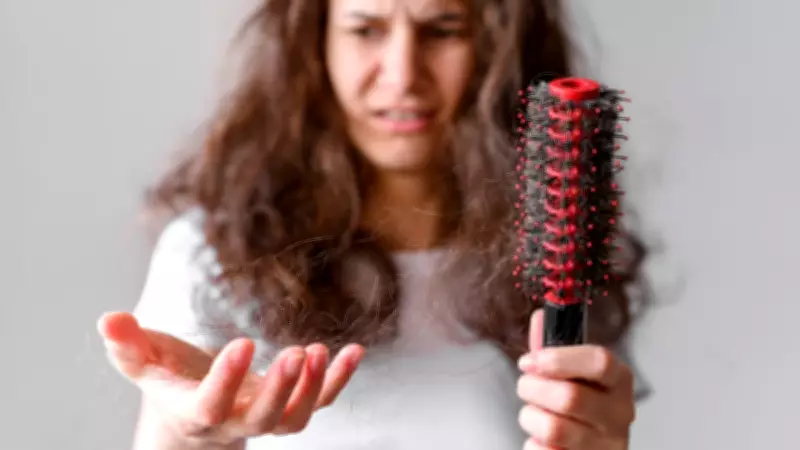
Winter Hair Fall: Dermatologist Explains the Crucial Role of Diet in Combating Seasonal Shedding
As winter sets in across India, many individuals experience a noticeable increase in hair fall, a common seasonal concern that often causes distress. Dermatologists have long observed this pattern, attributing it to various environmental and physiological factors. However, recent insights emphasize that diet plays a more significant role than previously thought in managing and preventing winter-related hair loss.
Understanding the Winter Hair Fall Phenomenon
The drop in temperature and humidity during winter months can lead to a dry scalp and brittle hair, making strands more prone to breakage and shedding. Additionally, reduced blood circulation to the scalp in colder weather may affect hair follicle health. While these external factors contribute, internal nutritional deficiencies often exacerbate the problem, highlighting the importance of a balanced diet.
Key Nutrients for Healthy Hair in Winter
According to dermatologists, certain nutrients are essential for maintaining hair strength and reducing fall during winter. These include:

- Protein: Hair is primarily made of keratin, a protein. Insufficient protein intake can lead to weak, thinning hair. Sources include eggs, lean meats, lentils, and dairy products.
- Iron: Iron deficiency is a common cause of hair loss, as it helps carry oxygen to hair follicles. Incorporate spinach, beans, and fortified cereals into your diet.
- Vitamin D: Reduced sunlight exposure in winter can lower vitamin D levels, impacting hair growth. Fatty fish, mushrooms, and fortified foods can help maintain adequate levels.
- Omega-3 Fatty Acids: These healthy fats nourish hair follicles and reduce inflammation. Flaxseeds, walnuts, and fish oil are excellent sources.
- Biotin and Zinc: Biotin supports keratin production, while zinc aids in hair tissue growth and repair. Nuts, seeds, and whole grains are rich in these nutrients.
Dietary Adjustments to Combat Hair Fall
Dermatologists recommend making specific dietary changes to address winter hair fall. Emphasize a diet rich in fruits, vegetables, and whole grains to provide antioxidants that protect hair follicles from damage. Staying hydrated is crucial, as dehydration can worsen hair dryness. Limiting processed foods and sugars can also help, as they may contribute to inflammation and nutrient imbalances.
Including seasonal foods like amla (Indian gooseberry), rich in vitamin C, can boost collagen production and iron absorption, supporting hair health. Similarly, incorporating nuts and seeds into daily snacks provides essential fats and minerals.
Expert Recommendations for Holistic Care
Beyond diet, dermatologists advise a holistic approach to winter hair care. This includes using gentle, moisturizing shampoos, avoiding excessive heat styling, and protecting hair from cold winds with scarves or hats. Regular scalp massages can improve blood circulation, while managing stress through yoga or meditation may reduce hair fall linked to anxiety.
If hair fall persists despite dietary and lifestyle changes, consulting a dermatologist is recommended to rule out underlying medical conditions such as thyroid disorders or hormonal imbalances.
By focusing on a nutrient-dense diet and complementary care practices, individuals can effectively mitigate winter hair fall and promote healthier, stronger hair throughout the season.