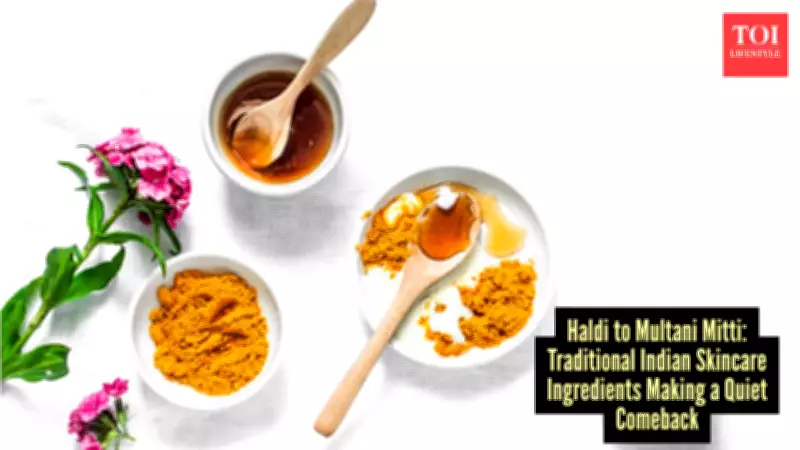
From Haldi to Multani Mitti: The Quiet Return of Traditional Indian Skincare Rituals
In the quiet moments between scrolling and notifications, something ancient is gently tapping on the present. Traditional Indian skincare remedies, once relegated to grandmothers' wisdom, are making a significant comeback in contemporary beauty routines. This resurgence isn't about chasing trends or radical transformations—it's about finding calm, familiarity, and gentle care in ingredients that have been part of Indian households for generations.
The Algorithm's Unexpected Pause: When Digital Meets Traditional
It often begins unexpectedly—a soft-lit reel on your phone screen showing someone mixing haldi in a ceramic bowl, the kind your nani would have cherished. The algorithm, usually shouting for attention, suddenly offers a moment of quiet. You pause not necessarily to try the remedy immediately, but because something about the slow stir, the patient motion, feels deeply familiar. In a world obsessed with optimization, these traditional rituals represent a different relationship with time—one where nothing needs to be rushed or perfected.
Haldi: The Golden Ingredient That Refuses to Be Forgotten
Haldi, or turmeric, typically enters our lives without grand intention. A persistent pimple, a wedding invitation on the dresser, or simply a morning when the mirror feels too honest—these moments prompt someone to reach for that familiar yellow powder. The scent arrives before the memory does, transporting us to kitchens filled with laughter during wedding preparations, to faces stained yellow for hours, and to the mild panic that followed.

For years, haldi felt too bright, too messy, too traditional. Yet it keeps returning, now often dressed in modern terminology as "serums" and "barrier repair" products. The conversation has shifted from chasing a superficial glow to seeking calm, reducing inflammation, and allowing skin to finally exhale. This shift represents a quiet admission: we're growing tired of constantly fighting our faces.
Multani Mitti: The Subversive Act of Forced Stillness
Multani mitti, or Fuller's earth, has never been glamorous. It cracks as it dries, tightening skin until smiling feels like a small rebellion. Yet people consistently return to this humble clay. Perhaps because it demands something increasingly rare: complete stillness. You cannot multitask while it sets. You cannot rush the process.
In cities that reward constant speed, sitting with a face pack drying, phone face-down, watching the ceiling fan complete its slow circles feels almost subversive. While users cite oil control, pollution protection, and breakout management as reasons, there's often something deeper at play—a need to feel porous again, to let the day's accumulated residue lift off quietly without commentary or judgment.
Besan: The Soft Discipline of Consistent Care
Besan, or gram flour, doesn't announce itself with fanfare. It simply works—the ingredient you remember only when you need it, the one your mother reached for when commercial soaps felt too harsh. It leaves skin feeling oddly honest, without artificial slip, shine, or performance.
In an era obsessed with novelty and ten-step routines, besan offers something radically simple: repetition. The same motion, the same texture, the same reliable result. People return to it not because it's trending, but because it asks very little while offering the kind of consistency that quietly holds you together when everything else keeps shifting unpredictably.
Chandan: Permission to Soften and Cool Down
Chandan, or sandalwood, has always carried a certain ceremonial gravity. It's brought out carefully during moments when the body feels overheated—whether emotionally or physically. A dot on the forehead, a thin layer across the cheeks, and the cooling arrives slowly and deliberately, like someone lowering their voice in a tense room.
In a world that glorifies intensity and constant stimulation, chandan feels like permission to soften. People reach for it after marathon video calls, after excessive screen exposure, after days that refuse to slow down. Not for radiant transformation, but for simple, tangible relief.

Kesar: The Quiet Luxury of Restrained Potency
Kesar, or saffron, is never used generously—it doesn't need to be. A strand or two, soaked patiently, tinting milk ever so slightly. There's something deeply grounding about this restraint, this understanding that true potency doesn't require abundance.
Often saved for tender moments—before significant meetings, challenging days, or sometimes for no particular reason at all—kesar serves as a gentle reminder in an overdoing culture that subtlety still carries substantial weight. It represents the luxury of enough rather than the pressure of more.
The Deeper Appeal: Familiarity in Uncertain Times
None of these traditional ingredients promise miraculous transformations. They don't chase perfection, eternal youth, or Instagram-ready radiance. Instead, they offer something gentler and perhaps more sustainable: familiarity.
In the spaces between meetings, messages, and fluctuating moods, people are returning to these small rituals not because they fix everything, but because they soften the edges of modern living. Sometimes, standing before the mirror with a face pack drying unevenly, you catch your reflection and don't rush to correct it. You simply look. And for that moment, that feeling of connection to tradition, to memory, to a slower pace—that feels like enough.
The resurgence of traditional Indian skincare represents more than a beauty trend. It's a quiet movement toward reconnecting with cultural heritage, embracing gentle consistency over aggressive innovation, and finding moments of mindful pause in our relentlessly optimized lives. As these ancient remedies find new relevance, they remind us that sometimes the most progressive act is to return to what has quietly endured.