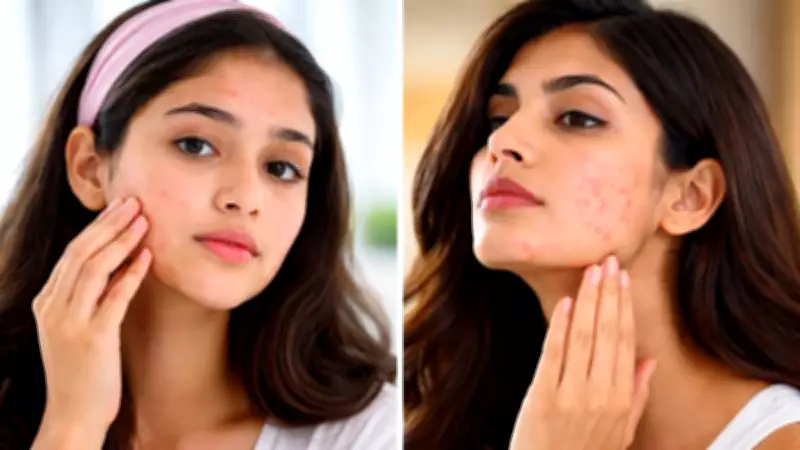
Understanding the Battle Against Acne: A Lifelong Skin Concern
Acne is a pervasive skin condition that affects millions globally, but its presentation and underlying causes can vary dramatically between teenagers and adults. While often dismissed as a mere teenage rite of passage, acne persists into adulthood for many, requiring tailored approaches for effective management. This guide delves into the distinct characteristics of teen versus adult acne, offering a detailed roadmap for treatment based on age-specific factors.
Teen Acne: The Hormonal Onslaught
Teen acne typically emerges during puberty, driven primarily by hormonal fluctuations. As the body undergoes rapid changes, increased androgen levels stimulate the sebaceous glands to produce excess oil (sebum). This oil, combined with dead skin cells, clogs pores, creating an ideal environment for the bacteria Cutibacterium acnes to thrive, leading to inflammation and breakouts.
Common Features of Teen Acne:- Location: Predominantly appears on the forehead, nose, and chin (the T-zone), though it can spread to cheeks and back.
- Types: Often includes blackheads, whiteheads, papules, and pustules, with occasional cystic lesions in severe cases.
- Causes: Hormonal changes, genetic predisposition, and sometimes poor skincare habits like excessive face-washing or using comedogenic products.
Treatment for teens often focuses on regulating oil production and reducing bacterial growth. Over-the-counter products containing benzoyl peroxide or salicylic acid are commonly recommended, along with prescription options like topical retinoids or antibiotics for more persistent cases. Dermatologists emphasize the importance of a consistent, gentle skincare routine to avoid irritation.

Adult Acne: The Persistent Challenge
Adult acne, defined as breakouts occurring after age 25, is increasingly common, especially among women. Unlike teen acne, it is less tied to hormonal surges and more influenced by factors like stress, lifestyle, and underlying health conditions. Hormonal imbalances related to menstrual cycles, pregnancy, or conditions like polycystic ovary syndrome (PCOS) can trigger adult acne, making it a complex issue to address.
Key Characteristics of Adult Acne:- Location: Tends to appear on the lower face, including the jawline, chin, and neck, though it can also affect the back and chest.
- Types: Often presents as deep, painful cysts or nodules that are more inflammatory and prone to scarring compared to teen acne.
- Causes: Stress, hormonal fluctuations, dietary factors (e.g., high glycemic index foods), use of certain cosmetics, and medications like corticosteroids.
Treatment for adult acne requires a multifaceted approach. Topical treatments similar to those for teens may be used, but hormonal therapies like oral contraceptives or anti-androgen medications are often more effective. Lifestyle modifications, such as stress management and a balanced diet, play a crucial role. Dermatologists also advocate for non-comedogenic skincare products and regular exfoliation to prevent pore clogging.
Comparative Analysis: Teen vs Adult Acne
While both forms share similarities, such as the role of bacteria and inflammation, their differences are stark. Teen acne is largely driven by natural hormonal changes during growth, whereas adult acne is frequently linked to external stressors and internal imbalances. Teen breakouts are often more superficial and responsive to standard treatments, while adult acne can be deeper, more persistent, and require specialized interventions. Understanding these nuances is essential for selecting appropriate therapies and avoiding one-size-fits-all solutions that may exacerbate the condition.
Comprehensive Treatment Strategies for All Ages
Effective acne management hinges on a personalized plan that considers age, skin type, and severity. For both teens and adults, foundational steps include:

- Cleansing: Use a gentle, non-abrasive cleanser twice daily to remove excess oil and impurities without stripping the skin.
- Moisturizing: Apply an oil-free, non-comedogenic moisturizer to maintain skin barrier function and prevent dryness from treatments.
- Sun Protection: Daily use of broad-spectrum sunscreen is critical, as many acne treatments increase photosensitivity.
For teens, incorporating benzoyl peroxide or salicylic acid into routines can help control breakouts. Adults may benefit from adding retinoids to promote cell turnover and reduce inflammation. In severe cases, professional treatments like chemical peels, laser therapy, or isotretinoin (under medical supervision) might be necessary. Consulting a dermatologist ensures a tailored approach, minimizing risks of scarring or adverse reactions.
Prevention and Long-Term Skin Health
Preventing acne involves proactive measures beyond treatment. For teens, education on proper skincare and avoiding harsh products is key. Adults should focus on stress reduction techniques, such as mindfulness or exercise, and dietary adjustments like reducing sugar and dairy intake. Regular skin check-ups and adherence to prescribed regimens can mitigate flare-ups. Ultimately, embracing a holistic view of skin health—combining medical advice with lifestyle choices—empowers individuals to achieve clearer, healthier skin regardless of age.
In summary, acne is not confined to adolescence; it is a dynamic condition that evolves with age. By recognizing the differences between teen and adult acne, individuals can adopt targeted strategies for effective management. With advancements in dermatology and a growing emphasis on personalized care, achieving lasting relief from acne is more attainable than ever, fostering confidence and well-being across all stages of life.