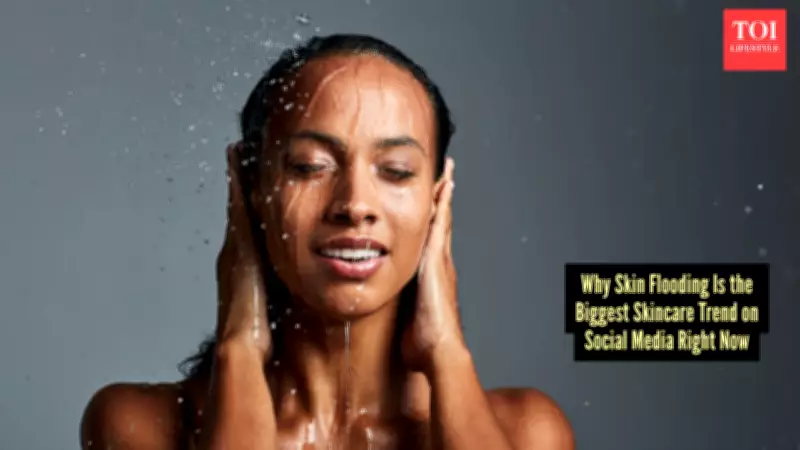
Skin Flooding: The Viral Skincare Routine for a Dewy, Glass-Like Glow
If you have been scrolling through social media recently, you have likely noticed a surge in creators and skincare enthusiasts showcasing impossibly dewy and plump complexions. These individuals appear as if they have just emerged from a luxurious two-hour spa treatment, radiating a glass-like glow that has captivated audiences worldwide. The secret behind this enviable radiance is a massive routine trend known as skin flooding. For anyone who experiences uncomfortably tight skin after showering or struggles with makeup clinging to dry patches by midday, this viral method offers a compelling solution.
Unlike splurging on a single, expensive heavy cream, skin flooding is a highly strategic and incredibly simple approach. It involves layering products you likely already own to deliver intense, long-lasting moisture. This technique has gained popularity for its effectiveness in achieving a hydrated, radiant complexion without breaking the bank.
What Exactly Is Skin Flooding?
To understand skin flooding, imagine your complexion as a dried-out sponge sitting on a kitchen counter. If you apply a thick, heavy lotion directly onto that hard, dry sponge, the product merely sits on the surface without being absorbed. However, if you dampen the sponge first, it becomes porous and instantly absorbs everything, swelling up with moisture. This is the exact scientific logic behind skin flooding.

Skin flooding is the practice of applying water-based humectants directly onto damp skin to draw in massive amounts of water. Once the skin is saturated, you immediately seal all that hydration in with a richer, emollient moisturizer. This two-step process ensures deep penetration and retention of moisture, leading to a plump and glowing appearance.
The Four-Step Routine
Building this routine is surprisingly foolproof, relying entirely on the texture of your skincare products. The key is to move from the thinnest, most watery consistency up to the thickest.
- The Gentle Cleanse: Start by washing away the day with a gentle, non-stripping cleanser. The goal is to remove dirt and impurities without compromising your skin’s natural moisture barrier.
- Keep It Damp: This is the most critical rule of the entire trend—do not dry your face. Toss the towel aside and apply your next steps while your skin is still noticeably damp. Alternatively, if you prefer using a towel, heavily spritz your face with a hydrating facial mist or a water-based essence to re-dampen the canvas.
- Bring On The Humectants: While your face is still wet, apply a lightweight, water-based serum. Look for powerhouse ingredients like hyaluronic acid and glycerin, which act as moisture magnets, pulling water directly into the deeper layers of your skin.
- Seal The Deal: Finally, trap that hydration before it evaporates by applying a solid emollient or occlusive moisturizer. Creams packed with ceramides, squalane, or shea butter create a protective, invisible shield over your face, preventing trans-epidermal water loss.
The Glow-Up Benefits
So, why has skin flooding generated such intense hype? For starters, it offers immediate relief and prolonged hydration for parched skin layers, leaving you with a complexion that looks naturally radiant and bouncy. Beyond aesthetic reasons, this technique acts as a major support system for a compromised skin barrier. A strengthened barrier translates to less redness, reduced inflammation, and drastically lower overall sensitivity.
Additionally, by plumping up the appearance of fine lines with sheer hydration, skin flooding creates a remarkably smooth base. This makes morning makeup application glide on effortlessly, enhancing your overall look without the need for heavy products.
Is It A Match For Your Skin Type?
While the concept sounds like a universal dream, skincare is never a one-size-fits-all situation. You must tailor this trend to your specific complexion.

- For Dry or Dehydrated Skin Types: This method is a total game-changer. It works wonders when your skin feels flaky or dull, especially during harsh, moisture-sucking colder months.
- For Sensitive Skin: Individuals with sensitive skin will appreciate the soothing, gentle nature of this hydration-focused routine. Just ensure you stick strictly to simple, fragrance-free formulas to avoid triggering allergic contact dermatitis.
- For Oily or Acne-Prone Skin: Proceed with serious caution. Layering multiple hydrating serums and topping them with a thick, occlusive cream can trap sweat, excess sebum, and bacteria against your face, leading to clogged pores and breakouts. If you are determined to try the trend, skip the heavy sealing creams and opt for lightweight, oil-free, non-comedogenic gel moisturizers to achieve the glow without the grief.
Skin flooding represents a transformative approach to skincare, emphasizing hydration and barrier support for a healthier, more radiant complexion. By understanding and adapting this routine to your skin type, you can unlock the benefits of this viral trend and enjoy a dewy, glass-like glow.